



Smart Leak Detection: Whole-Home Shutoffs and Sensor Networks that Stop Water Damage
A tiny drip can wreck cabinets, warp floors, and spark mold faster than most families expect. Burst washer hoses, failed toilet valves, a pinhole in a copper line, a leaking water heater, each one can soak a room in minutes. Smart leak detection turns that risk into a controlled, manageable event. You get sensors that “hear” trouble early, a motorized main shutoff that closes the water before damage spreads, and instant alerts to your phone. Homeowners in Lynn, MA and across the North Shore Area deal with basements, long winters, and older piping that deserves extra protection. Smart shutoffs and sensor networks fit right in. They guard finished spaces, watch over vacation weeks, and give you proof for insurance conversations. Waldman Plumbing and Heating installs and maintains these systems every day, and we tune them for New England homes.
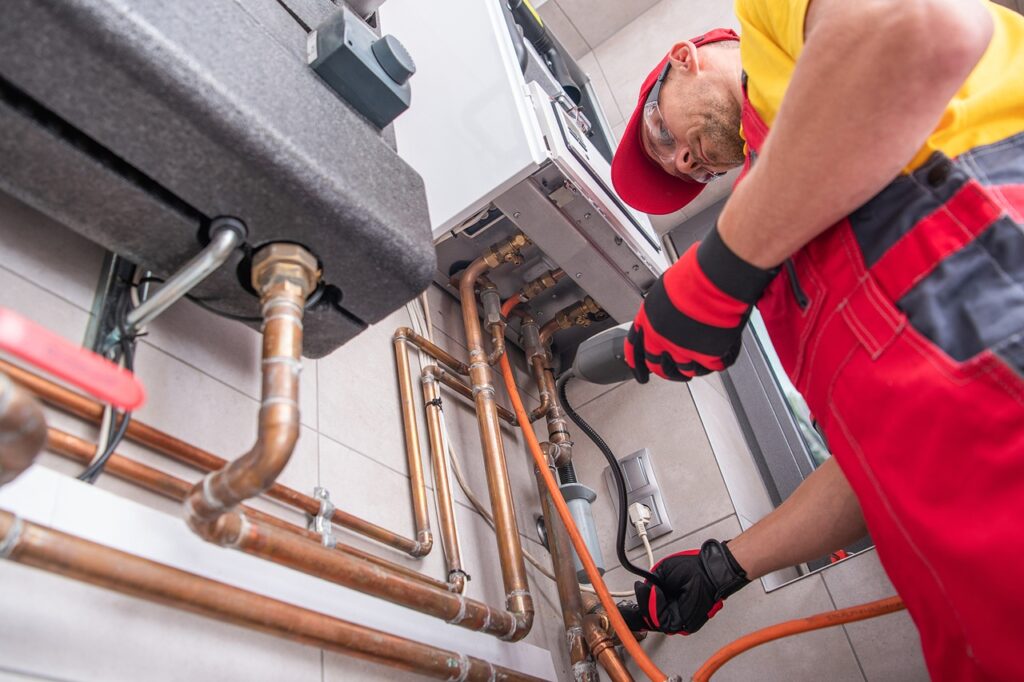
What a Smart Leak System Includes and Why It Works
A strong setup has three parts: a master shutoff valve on the main line, leak sensors in key rooms, and a hub that ties it all together. The valve uses a reliable quarter-turn ball valve and a motor that closes fast. The sensors sit under sinks, behind toilets, near the washing machine, beside the water heater, and by the boiler’s relief drain. The hub connects to your Wi-Fi and sends alerts, but it also triggers a shutoff locally. That means the water stops even if your phone sits on silent in a meeting. You see the alert, the location, and the time stamp. You reopen the valve from the app after you check the area, or leave it closed until a tech arrives. This simple loop, detect, decide, shut, prevents most big messes.
Whole-Home Shutoff: Features That Matter in New England Homes
Not every valve fits every house. Older homes in our area often have tight mechanical rooms, mixed pipe sizes, or tricky access. We select a valve that matches the pipe size (often ¾” or 1″), uses a corrosion-resistant body, and mounts with space for service. We pair it with:
- Manual override: a lever you can turn by hand in a power outage.
- Battery backup: the motor closes the valve during an outage.
- Freeze and low-temp alerts: extra protection in cold snaps.
- Drip-rate sensitivity: the system can act on a slow, steady leak, not only floods.
We position the valve so it protects every branch after the meter, and we label shutoffs clearly so family members know what to do. A short walkthrough after install helps everyone feel confident.
Sensor Strategy: Where to Place Devices for Real-World Wins
Sensors catch trouble at the source. Our local playbook covers the spots that cause the most headaches:
- Under kitchen and bath sinks, especially in upstairs bathrooms
- Besides the washing machine and laundry sink
- At the base of the water heater and near the T&P discharge route
- Around the boiler and any hydronic components that connect to domestic water
- Near fridge ice maker lines and filtered water taps
- Around the dishwasher kick plate
- In the basement by floor drains, foundation walls, and well pressure tanks (if present)
We also add rope-style sensors along baseboards in finished basements. These catch seepage and minor intrusions before carpet and trim absorb it. You get fewer surprises and earlier alerts.
Connectivity That Won’t Leave You Hanging
Strong Wi-Fi helps, but reliability matters more. We set up:
- A local link between sensors, hub, and valve, so the valve closes even without the internet
- Push and text alerts so you catch events wherever you are
- Optional cellular backup for homes with spotty internet
- Smart home tie-ins with thermostats or security systems for a single app view
Batteries on sensors usually last for years. We schedule a quick annual test, clean the contacts, and replace any weak batteries so the system stays ready.
Fit for Older and Newer Homes Alike
Many North Shore homes carry a mix of copper, PEX, and sometimes older galvanized lines. They may also have long pipe runs, finished attics, and tight chases. We map the home, pick the right valve location, and add isolation where it helps. PEX manifolds benefit from sensors at each high-risk branch. Antique homes with third-floor baths need extra monitoring around tubs and shower valves. Newer builds gain fast shutoff protection for tankless and recirculation loops. Every plan starts with your floor layout, your risk areas, and your comfort level with automation.
Common Scenarios These Systems Solve
- Washer hose bursts at night: the sensor trips, the main valve closes, the app pings you, and the laundry stays a laundry, not a pond.
- Toilet valve fails during workday: the powder room sensor alerts and the shutoff closes; you mop, not rebuild.
- Vacation week leak: a slow drip near the water heater triggers; the system closes the valve and texts you so you can ask a neighbor or call us.
- Basement seepage after a storm: rope sensor catches moisture early; you close the valve and check for cross-connections and sump pump status.
Installation and Care That Keep You Covered
A licensed plumber installs the valve, verifies operation, and checks for code needs. We test every sensor with a small splash, confirm app alerts, and show you how to reopen the valve. We also:
- Exercise the valve motor to prevent sticking
- Flush sediment traps near the heater and add expansion tanks where needed
- Label and document the system for insurance and home records
- Set you up with a maintenance reminder once a year
You gain a clear plan and one number to call if a sensor trips or a valve sticks.
Insurance Conversations and Peace of Mind
Many carriers now encourage leak detection and sometimes note it in policy questions. We provide installation notes and photos on request. You get time-stamped alerts, closed-valve logs, and a professional layout of sensor locations. That record supports claims and shows you acted fast.
How to Start
Walk the house and write down rooms with water lines, drains, and appliances. Mark spots with previous leaks or repairs. We’ll turn that list into a sensor map, pick a shutoff valve that matches your main, and install the system cleanly. You go from worry to control in a single visit.
FAQs: Smart Leak Detection in Lynn, MA and The North Shore Area
1) Will a smart shutoff work with homes that use boilers for heat?
Yes. The shutoff protects your domestic water line. We add sensors near the boiler’s relief valve, autofill, and nearby piping. You keep a safe water service and gain extra monitoring around heating equipment.
2) What happens during a power outage?
Our preferred systems include battery backup for the valve motor and the hub. You can close the main manually with the lever. Sensors still trigger local alarms, and the valve still moves to protect the house.
3) Do I need strong Wi-Fi for this to work?
A local link between the hub and valve handles shutoff without internet. Wi-Fi improves notifications and remote control. We can add a cellular module if your service stays spotty.
4) Where should I place sensors first in a two-story home with a finished basement?
Start with the water heater, laundry, kitchen sink, fridge line, and every upstairs bathroom. Add rope sensors along basement baseboards and near any floor drains or well tanks.
5) Who should install a whole-home shutoff?
Hire a licensed plumber. Our team installs, tests, and labels the system, and sets maintenance reminders. You get a clean install that meets code and a walkthrough so the whole family knows the plan.
Stop leaks before they start, install smart shutoff and sensors with Waldman Plumbing and Heating. Call 781.780.3184 now.