



Why Drain Cleaning Sometimes Improves Water Pressure Throughout the Home
Low water pressure frustrates homeowners. You turn on the shower and expect a steady stream, but the flow feels weak. You run the kitchen faucet and notice it takes longer to rinse dishes. Most people assume the problem comes from the water supply line or the municipal system. In many cases, that is true. Yet sometimes the issue connects to the drain system instead.
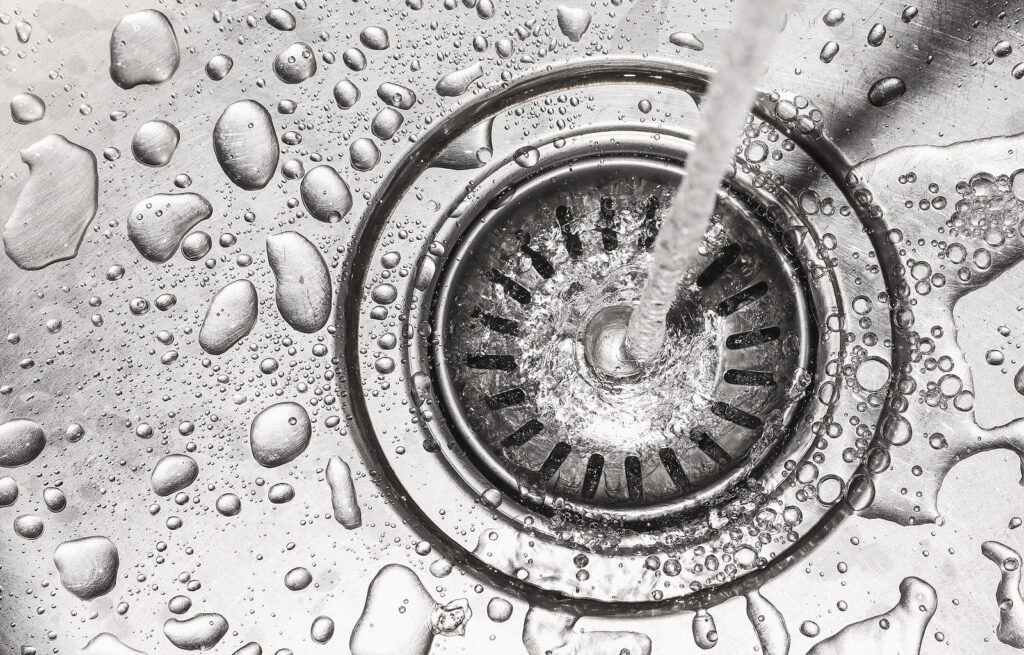
That idea surprises many homeowners in Lynn, MA and across the North Shore Area. Drains remove water. Supply pipes bring water in. They seem separate. In reality, both systems work together to create smooth plumbing performance. When drains clog or slow down, they can affect how fixtures feel and function, including perceived water pressure.
Understanding this connection helps homeowners recognize why professional drain cleaning can sometimes improve flow throughout the house.
The Relationship Between Supply Lines and Drains
Water enters your home under pressure through supply pipes. That pressure pushes water out of faucets, showers, and appliances. After you use the water, gravity carries it away through drain lines.
For plumbing to work properly, water must leave as easily as it enters. If the drain system struggles to move water out, fixtures cannot discharge water at full volume. That restriction changes how pressure feels at the tap.
Imagine pouring water into a bottle with a narrow opening at the bottom. The liquid slows because it cannot exit quickly. The same principle applies to plumbing. Drains must stay open to allow smooth flow.
Drain cleaning removes buildup that restricts that exit path. Once wastewater flows freely again, fixtures often feel stronger and more consistent.
How Partial Clogs Affect Fixture Performance
A complete clog causes obvious problems. Water backs up. Sinks fill. Toilets overflow. Partial clogs create more subtle symptoms. Grease buildup in kitchen lines narrows the pipe diameter. Soap residue and hair collect inside bathroom drains. Mineral scale forms along older cast iron pipes common in many North Shore homes. These restrictions slow drainage but may not stop it entirely.
When you run a faucet connected to a partially clogged drain, water may swirl slowly around the drain opening. Air struggles to move through the pipe. That resistance interferes with smooth discharge.
The result often feels like low pressure at the faucet. In reality, the supply line still pushes water in at the same rate. The drain simply cannot keep up. Professional drain cleaning clears those internal restrictions, restoring proper flow and improving overall performance.
Airflow and Venting Play a Key Role
Plumbing systems rely on vent pipes to regulate air pressure inside drain lines. These vents allow air to enter the system so water can flow out smoothly. When drains clog, they can disrupt airflow within the system.
Blocked drains may create negative pressure that affects nearby fixtures. You might notice gurgling sounds or slow draining in multiple areas. These signs indicate airflow imbalance.
Once a plumber removes buildup through drain cleaning, air can move properly again. Balanced airflow supports consistent water discharge, which often improves how pressure feels at sinks and showers. Homes in Lynn with older vent systems may especially benefit from drain cleaning that restores normal air movement.
Why Multi Fixture Use Exposes Drain Restrictions
Many homeowners notice low pressure when several fixtures run at once. Someone flushes a toilet while another person showers. The shower flow drops suddenly. Sometimes the issue involves supply line capacity. Other times, partially clogged drains create back pressure that affects multiple fixtures.
When wastewater from one fixture struggles to exit, it influences the entire branch line. That resistance can make other fixtures feel weaker even though the supply pressure remains steady.
Drain cleaning removes obstructions within shared lines. Once wastewater moves freely, fixtures can operate simultaneously with fewer pressure fluctuations.
The Impact of Grease and Soap Buildup
Kitchen drains often accumulate grease over time. Even small amounts of oil stick to pipe walls. As grease cools, it hardens and narrows the pipe opening. Food particles catch on that surface and add to the buildup. Bathroom drains collect soap residue, toothpaste, hair, and shaving debris. These materials combine into thick deposits along the pipe interior.
This gradual narrowing restricts wastewater flow. While you may not see a full backup, the reduced drainage capacity can make water linger longer in sinks and tubs. After professional cleaning removes this material, drains empty quickly. That improvement can create the impression of stronger water pressure because fixtures discharge efficiently.
Mineral Scale and Older Pipes
Many homes across the North Shore feature aging cast iron or galvanized drain pipes. Over time, mineral deposits build up inside these pipes. The interior surface becomes rough and uneven. That roughness slows water movement and traps debris more easily. Even if supply pipes remain clear, the drain side may struggle.
Drain cleaning methods such as high pressure water can clear mineral scale and restore smoother interior surfaces. Once pipes regain their proper diameter, water exits quickly. Homeowners often notice improved performance at multiple fixtures.
Slab Drains and Hidden Restrictions
Some homes in Lynn include drain lines that run beneath concrete slabs. Buildup in these hidden lines can create slow drainage across the house. Because these pipes remain out of sight, homeowners may not connect low pressure symptoms to the drain system.
Professional drain cleaning addresses these concealed restrictions. Clearing the main line can restore normal drainage throughout the property. That improvement often enhances how fixtures feel during use.
Distinguishing Between True Low Pressure and Drain Issues
Not every pressure problem connects to drains. Supply line corrosion, valve issues, or municipal supply fluctuations can also reduce water pressure.
A plumber evaluates both systems before recommending service. Signs that suggest a drain related issue include:
- Slow draining along with weak flow
- Gurgling sounds in nearby fixtures
- Water pooling briefly before draining
- Pressure changes when another fixture drains
When these symptoms appear together, drain cleaning may resolve more than one complaint.
Why Preventive Cleaning Supports Better Performance
Routine drain maintenance helps avoid partial restrictions that affect performance. Annual inspections allow plumbers to identify buildup before it creates noticeable symptoms.
Preventive cleaning supports:
- Faster drainage
- Balanced airflow in vent lines
- Reduced fixture interference
- Consistent performance during heavy use
Homes with larger families or frequent cooking activity benefit from regular drain care. Keeping lines clear protects both drainage and overall plumbing function.
Protecting Plumbing Health in Lynn and the North Shore Area
Older infrastructure and seasonal weather patterns can strain plumbing systems in this region. Cold winters and heavy usage periods test both supply and drain lines. Professional drain cleaning supports long term plumbing health. It reduces the risk of emergency backups and may improve perceived water pressure at the same time.
Water pressure and drainage do not operate independently. Both systems must work together for smooth, reliable performance. Clearing one side often helps the other.
FrAQs About Drain Cleaning in Lynn, MA and the North Shore Area
Can clogged drains really affect water pressure?
Yes. Restricted drains can create discharge resistance that makes fixtures feel weaker.
Will drain cleaning fix all low pressure issues?
Not always. A plumber evaluates both supply and drain systems to identify the cause.
Why does my shower pressure drop when someone flushes a toilet?
Shared drain lines with buildup can influence fixture performance during simultaneous use.
How often should I schedule professional drain cleaning?
Many homes benefit from annual cleaning, especially with heavy kitchen use.
Are older pipes more likely to affect pressure through drainage issues?
Yes. Mineral scale and corrosion inside aging pipes can restrict wastewater flow.
Restore smooth drainage and stronger fixture performance with professional service. Call Waldman Plumbing and Heating at 781.780.3184 for drain cleaning in Lynn, MA and the North Shore Area.