



What Proper Water Softener Sizing Means for Whole-Home Performance
A water softener does not just sit in the basement and quietly improve one small part of your plumbing. It affects how water moves through your home, how your fixtures hold up over time, how your appliances perform, and how comfortable everyday tasks feel. That is why water softener sizing matters so much. A unit that is too small may struggle to keep up with household demand. A unit that is too large may cycle inefficiently and fail to match how your home actually uses water.
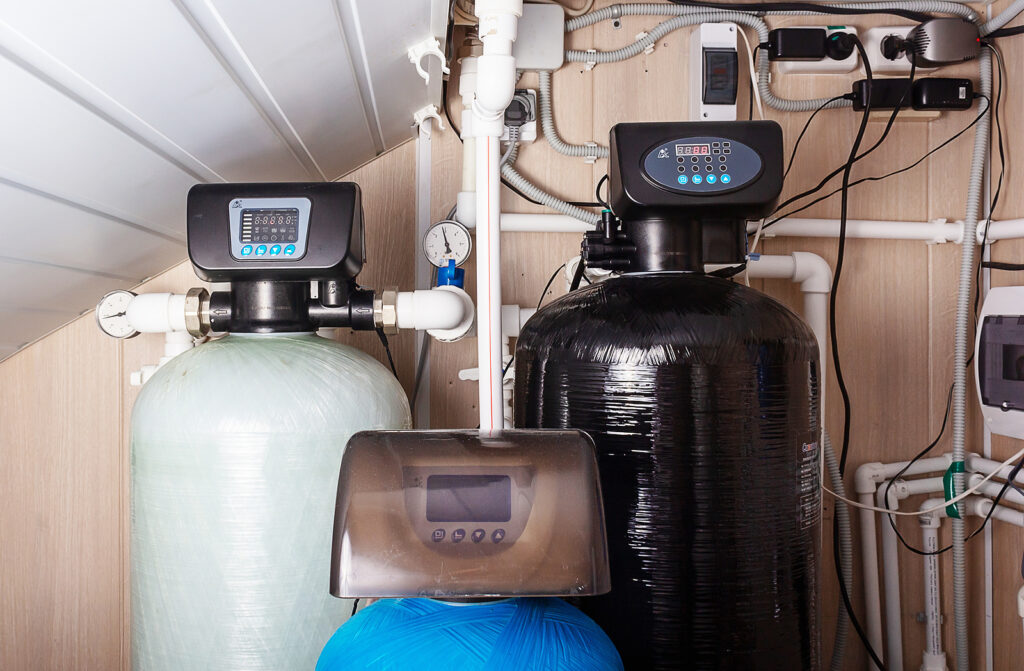
Homeowners in Lynn, MA and across the North Shore Area often notice the signs of hard water first. White spots show up on faucets and shower doors. Soap does not rinse well. Laundry feels stiff. Water heaters and fixtures wear out faster than expected. Many people know a water softener can help, but fewer realize that proper sizing plays a major role in whether the system performs well across the whole house.
A correctly sized softener supports steady water quality, protects plumbing equipment, and handles daily use without wasting capacity or falling behind. This is not just about buying a unit and hooking it up. It is about matching the system to the way your home really works.
Water Softener Sizing Is About More Than House Size
One of the most common misunderstandings about water softeners is the idea that square footage determines the right unit. It does not. A larger house does not always need a larger softener. A smaller house does not always need a smaller one.
What matters more is how much water the household uses and how hard that water actually is. A two-person household with very hard water may place more demand on a softener than a larger family with lower hardness levels. A home with frequent laundry, multiple showers, and regular dishwasher use may need a different setup than a home with the same number of bathrooms but much lighter water use.
Proper sizing starts with the real pattern of water demand, not just the shape of the house.
Hard Water Level Changes the Whole Calculation
Water softeners remove hardness minerals, mainly calcium and magnesium, from the water supply. The harder the water, the more work the system has to do. This means two homes that use the same amount of water may still need different softener sizes if their water quality differs.
A softener works by treating a certain amount of hardness before it needs to recharge. That means sizing has to account for both gallons used and the mineral level in those gallons. A unit that seems adequate on paper can fall short if the actual hardness is higher than expected.
This is why good sizing always starts with actual water information. Guessing leads to systems that either run out of capacity too fast or operate inefficiently because they were selected without enough real data.
Daily Water Use Affects Whole-Home Results
Water softeners support the whole house, not just one faucet. That means the system needs to keep up with showers, laundry, dishwashing, sinks, appliances, and all the other ways water moves through the home during a normal day.
A properly sized water softener should treat enough water to meet that demand without dropping performance before the next recharge cycle. A unit that is too small may allow hard water to slip through during high-use periods. Homeowners may notice that the water feels soft some days but not others. Soap may lather well in the morning and poorly later in the week. Spots may begin returning on fixtures even though the system still appears to be working.
These inconsistent results often point to a sizing issue. The softener may not be failing. It may simply be too small for the way the home actually uses water.
An Oversized Water Softener Can Also Cause Problems
Many people assume bigger is safer. In some cases, they choose the largest system they can fit because they want to avoid ever falling short. That approach can create its own problems.
A softener that is too large for the household may not recharge at the best intervals. Water inside the system may sit too long between cycles. Salt use and regeneration patterns may not line up well with real demand. The result can be inefficient operation and poorer long-term performance than homeowners expect.
A properly sized unit should match the home closely enough to operate with steady, healthy cycling. The goal is not maximum size. The goal is the right balance between capacity and use.
Whole-Home Performance Depends on Consistency
The real benefit of correct sizing is consistency. A good water softener should support the whole home in a way that feels steady and predictable. That means:
- Soap rinses better at sinks and in showers
- Laundry feels cleaner and softer
- Scale buildup reduces on faucets and glass
- Water heaters and appliances face less mineral stress
- Water quality stays stable from one day to the next
Consistency matters because hard water problems often build slowly. A softener that only works well part of the time still leaves the plumbing system exposed to mineral buildup. Fixtures may continue to collect residue. Appliance efficiency may still decline. Shower doors may still cloud over. Proper sizing helps avoid these uneven results by keeping the system in step with actual household demand.
Water Softener Sizing Helps Protect Plumbing Equipment
A water softener is not only about comfort. It also protects the equipment connected to your plumbing system. Hard water leaves deposits inside water heaters, on valves, around fixture parts, and within other water-using appliances. Over time, that buildup reduces efficiency and increases wear.
A properly sized softener helps reduce that mineral exposure across the whole house. Water heaters stay cleaner inside. Fixtures collect less buildup. Appliances like dishwashers and washing machines do not face the same level of mineral stress. This support matters even more in homes with older plumbing, where scale and buildup may already affect performance.
A system that is too small often fails to provide that full protection. It may soften water well at first, then allow untreated or partly treated water through once it runs past practical capacity. The result is uneven protection and slower improvement in overall plumbing health.
Family Size Matters, But So Do Habits
Two households with the same number of people may use water very differently. One family may run multiple loads of laundry every week, use a large soaking tub often, and wash dishes heavily at home. Another may spend long hours away from home and use much less water overall.
This is why proper sizing needs to reflect real habits, not just the number of bedrooms or bathrooms. A home with several people but light use may not need as much capacity as one with fewer people and heavier demand. The softener should fit the lifestyle, not just the layout.
This kind of evaluation gives homeowners better long-term performance because the system was selected based on reality instead of a rough estimate.
Flow Rate Matters Along With Capacity
Capacity gets a lot of attention, but flow rate matters too. A whole-home water softener should handle the volume of water moving through the house during busy periods without restricting performance too much.
This becomes more important in homes where several fixtures run at once. Someone showers while the dishwasher runs and the washing machine fills. A system that does not match that demand may struggle to keep performance steady. Even if the softener has enough total capacity, it still needs to support the daily household flow.
Good sizing helps balance both treatment ability and practical household use. That gives homeowners better results during real-life busy periods, not just on paper.
Regeneration Timing Affects Everyday Comfort
A water softener must recharge after treating a certain amount of water. Proper sizing helps make sure this regeneration happens at useful intervals instead of at inconvenient or inefficient times.
A small system may regenerate too often because it reaches capacity quickly. A poorly matched large system may regenerate less effectively because it sits too long between cycles. In both cases, the household may end up with inconsistent water quality or unnecessary system strain.
A well-sized unit works in rhythm with the home. It treats enough water to support regular demand and recharges in a pattern that makes sense for the household’s use. That keeps performance more dependable and supports better long-term system health.
Older Homes Need Extra Attention During Sizing
Many homes in Lynn and the North Shore Area have older plumbing systems, older water heaters, and fixtures that may already show signs of hard water buildup. In those homes, water softener sizing matters even more because the system is not starting from a perfect baseline.
A softener that is too small may fail to reduce scale buildup enough to make a real difference. A properly sized unit has a better chance of improving how the whole plumbing system performs over time. It supports not just water feel and cleaning results, but also the condition of the equipment that has been dealing with hard water for years.
Older homes often benefit from a more careful review of water use, plumbing condition, and appliance demand before a softener is selected.
Signs the Current Water Softener May Be the Wrong Size
Homeowners should pay attention to patterns such as:
- Hard water spots returning quickly
- Soap still not lathering well
- Scale collecting on fixtures despite a working softener
- Inconsistent water feel during the week
- Frequent regeneration that seems excessive
- A system that seems active but does not improve daily results enough
These signs do not always mean the softener is broken. Sometimes they point to a mismatch between the system size and the way the home uses water.
Proper Sizing Supports Better Whole-Home Performance
A water softener should work with the house, not against it. It should match daily demand, water hardness, fixture use, and appliance needs in a way that gives the whole plumbing system better support. A properly sized unit helps protect equipment, reduce hard water buildup, and make water feel more consistent throughout the property.
For homeowners who want a softener to do more than just sit next to the water heater, sizing is one of the most important parts of the decision. Good results come from fit, not from guesswork.
FAQs About Water Softener Sizing in Lynn, MA and the North Shore Area
Does a bigger water softener always work better for the whole house?
No. A unit that is too large can operate inefficiently if it does not match the home’s water use.
What matters most when sizing a water softener?
Water hardness, daily water use, and household demand all play a major role.
Can the wrong size softener still seem like it is working?
Yes. A mismatched unit may run, but it may still allow inconsistent soft water performance.
Why do hard water spots return even though the softener is on?
That can happen when the system is too small, poorly matched, or not treating enough water consistently.
Should older homes get extra attention during water softener sizing?
Yes. Older plumbing and appliances often need a carefully matched system for better whole-home results.
Proper water softener sizing helps protect fixtures, appliances, and daily comfort. Call Waldman Plumbing and Heating at 781.780.3184 in Lynn, MA and the North Shore Area.