



Why Your Gas Water Heater Pilot Light Won’t Stay Lit on the North Shore
When your gas water heater pilot light keeps going out, the result is immediate and disruptive: no hot water for showers, no hot water for dishes, and a growing sense that something is failing inside the appliance. The good news is that a repeatedly extinguishing pilot has a small set of well-understood causes, most of which a licensed plumber can diagnose and resolve in a single visit. The most common cause is a malfunctioning thermocouple. Draft problems, a dirty pilot orifice tube, low gas supply pressure, and gas control valve failure also play a role.
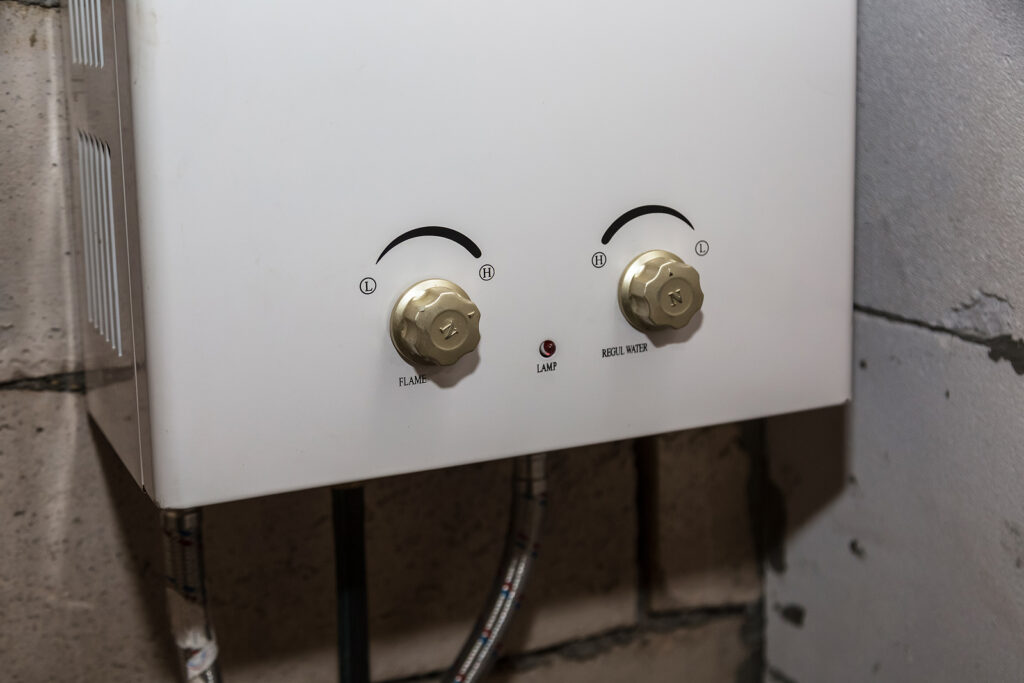
This guide explains each cause in practical terms, walks through what a homeowner can and cannot safely attempt, and explains when the symptom points toward water heater replacement rather than a component repair. For same-day service, visit our water heater service page or call 781.780.3184 any time.
What the Pilot Light Is and Why It Matters
The pilot light is a small, continuously burning flame located near the base of your gas water heater’s burner assembly. Its sole function is to ignite the main gas burner when the thermostat calls for heat. According to the U.S. Department of Energy, gas water heaters depend on the pilot light and thermocouple operating as a paired safety system. The thermocouple senses the pilot flame’s heat and sends a small electrical signal to the gas control valve, telling it to keep gas flowing. When the pilot goes out, the thermocouple cools, the signal drops, and the gas valve closes automatically to prevent unburned gas from accumulating in the space.
This system is designed exactly as intended. The problem occurs when a component failure causes the valve to close even while the pilot is still burning, or when something repeatedly extinguishes the pilot physically. Both scenarios leave you without hot water and require a professional diagnosis to resolve correctly and safely.
Five Root Causes of a Pilot Light That Won’t Stay Lit
1. Thermocouple Failure (By Far the Most Common Cause)
The thermocouple is a small copper sensing device whose tip sits directly in the pilot flame. Over time, thermocouples accumulate soot and carbon deposits on the sensing tip, which prevents accurate heat detection even when the pilot is burning normally. A thermocouple can also bend gradually away from the pilot flame on units that have experienced vibration or settling over years of service. When the sensing tip cannot reach its operating temperature, the gas control valve interprets this as an extinguished pilot and closes the gas supply. Thermocouples also simply wear out after eight to twelve years of continuous operation. Most thermocouple failures are resolved in a single professional service call.
2. Dirty or Clogged Pilot Orifice Tube
The pilot orifice is a very small opening through which a continuous trickle of gas flows to maintain the pilot flame. Dust, carbon deposits, and debris accumulate inside this tube gradually, restricting gas flow and producing a weak, wavering yellow flame rather than the steady blue cone the system requires. A yellow or orange pilot flame cannot generate enough heat to satisfy the thermocouple, causing the gas valve to close even though a flame is technically present. This symptom is often confused with thermocouple failure because the behavior is identical from the outside.
3. Drafts and Airflow Problems in the Mechanical Room
A gust of air strong enough to extinguish the pilot can come from sources that are not always obvious. North Shore homes are particularly susceptible because many have basement mechanical rooms adjacent to dryer exhaust vents, exterior access doors, garage entries, or aging windows with gaps. Water heaters installed in these locations experience draft-induced pilot outages more often than homeowners realize. A licensed plumber can identify the draft source and recommend a shield or, if necessary, relocation of the unit to a more suitable position in the mechanical room.
4. Low Gas Supply Pressure
If gas supply pressure at the water heater falls below the appliance’s minimum operating requirement, the pilot flame will be too small and too weak to sustain itself or to adequately heat the thermocouple. Low pressure can result from a problem at the gas utility level, a failing pressure regulator at the gas meter, or an undersized supply line. If multiple gas appliances in your home are performing poorly at the same time, the issue may be in the supply system rather than the water heater itself. Our gas line inspection service tests supply pressure with a manometer as part of any water heater-related diagnostic call.
5. Failing Gas Control Valve
The gas control valve is the central operating component of your water heater, regulating gas flow to both the pilot and the main burner in response to thermocouple and thermostat signals. When it begins to fail internally, it produces intermittent pilot behavior even when the thermocouple and pilot tube are functioning correctly. A failing gas control valve on a unit over ten years old is a strong indicator that full water heater replacement is more economical than valve replacement alone, since other components are typically approaching end of life at the same time.
Warning Signs That Relighting Is Not the Solution
Relighting a pilot that went out during a brief gas service interruption or power fluctuation is normal and not a cause for concern. The following patterns, however, indicate that a component problem requires professional attention before the next relight attempt.
The pilot goes out again within hours of relighting. You detect any gas odor near the water heater at any point in the relighting process, which means you should leave the area and call 781.780.3184 immediately without touching any electrical switches. The pilot flame is yellow or orange rather than solid blue. Soot or black carbon deposits appear around the pilot assembly. The unit is over ten years old and this is the first occurrence of pilot problems. The pilot will not stay lit even after holding the control button for the full 60 seconds specified on the heater’s label.
DIY vs. Professional: What Homeowners Can and Cannot Safely Attempt
There is exactly one thing a homeowner can safely attempt: relighting the pilot following the instructions printed on the water heater’s label. This involves turning the gas control knob to the PILOT position, pressing and holding the button or knob while lighting the pilot with a long-handled lighter, and holding the knob for up to 60 seconds after the flame catches to allow the thermocouple to warm. If the pilot holds after releasing the knob, the problem was a temporary extinguishment and no further action is needed.
Homeowners should not attempt to bend or reposition the thermocouple, clean the pilot orifice, test gas pressure, replace gas control valves, or disassemble any part of the burner assembly. These actions involve direct handling of gas components and carry real risk of creating gas leaks or disabling the safety shutoff system. The Massachusetts Board of State Examiners of Plumbers and Gas Fitters requires all gas appliance repair work to be performed by a licensed plumber or gas fitter.
What a Licensed Plumber Does to Diagnose and Fix the Problem
When a Waldman Plumbing technician arrives for a pilot light service call, the process follows a logical diagnostic sequence before any parts are ordered or replaced. We inspect the pilot flame color and size, check the thermocouple for position, carbon buildup, and electrical output, test gas supply pressure with a manometer, inspect the pilot orifice for obstruction, and evaluate the gas control valve’s response. Based on these findings, we either clean the relevant components and verify function or replace the failed part.
Most thermocouple replacements are completed in under an hour with parts we carry on the service truck. Pilot orifice cleaning takes less time. A confirmed gas control valve failure on a unit over ten years old typically leads to a water heater replacement recommendation, which we walk you through using our repair vs. replacement decision guide so you can make the right choice with full information.
We also perform a backdraft test and carbon monoxide safety check as part of every water heater service visit. A malfunctioning pilot producing incomplete combustion can generate elevated carbon monoxide in flue gases, and verifying proper venting protects every occupant in the home.
Pilot Light Issues in North Shore, MA Homes: What We See Most Often
The North Shore’s older housing stock creates specific conditions that contribute to recurring pilot light problems. Many homes in Lynn, Peabody, MA, Salem, and Marblehead have water heaters located in basement mechanical rooms adjacent to dryer exhaust vents, garage access doors, or aging exterior walls, all of which create draft conditions that affect pilot stability. Homes with original cast iron or galvanized steel gas supply lines from the mid-twentieth century may also experience pressure fluctuations as these lines corrode internally, a problem that affects all gas appliances in the home simultaneously.
For North Shore homeowners with water heaters over twelve years old experiencing pilot problems for the first time, the repair-vs.-replace calculation often favors replacement, particularly when combined with the efficiency gains available from modern high-efficiency units. Our residential plumbing service page covers our full water heater service range, and our team can walk you through the decision with no obligation.
When to Call Waldman Plumbing and Heating
Call 781.780.3184 any time a pilot will not hold after one honest relight attempt. Do not spend days without hot water while coaxing a failing component into temporary cooperation. Waldman Plumbing and Heating is licensed and fully insured, with over 100 years of water heater service across the North Shore. We are verified by the Better Business Bureau, rated by homeowners on Google, and reviewed on Yelp. Our technicians carry the most common water heater parts on every service truck. Most pilot light calls are resolved in a single visit.
Frequently Asked Questions: Gas Water Heater Pilot Light Problems
Why does my gas water heater pilot light go out the moment I release the control knob?
If the pilot goes out immediately when you release the knob, the thermocouple is almost certainly the cause. The thermocouple must reach its operating temperature from the pilot flame before it sends the signal that holds the gas valve open. A dirty, bent, or failing thermocouple causes the valve to close the instant you let go, even if the flame was burning correctly during the hold period.
How do I tell if my water heater thermocouple has failed?
The clearest sign is a pilot that will not stay lit even after holding the control button for the full manufacturer-specified time, typically 30 to 60 seconds. A licensed plumber can also test thermocouple output with a multimeter to confirm whether the device is generating enough voltage to hold the gas valve open.
Can I replace the thermocouple on my water heater myself in Massachusetts?
No. The Massachusetts Board of State Examiners of Plumbers and Gas Fitters requires all gas appliance repair work to be performed by a licensed plumber or gas fitter. Beyond the legal requirement, an incorrectly installed thermocouple can disable the safety shutoff system, creating a gas hazard that makes professional service significantly safer.
What should a healthy pilot light flame look like?
A healthy pilot light produces a steady, predominantly blue flame large enough to wrap around the tip of the thermocouple. A yellow, orange, or flickering pilot flame indicates a problem with gas pressure, pilot orifice obstruction, or airflow around the burner assembly, any of which can cause the thermocouple to fail to reach its operating temperature.
How long does a water heater thermocouple typically last?
A properly maintained thermocouple lasts approximately eight to ten years. Water heaters over ten years old experiencing their first thermocouple failure should be evaluated for full unit replacement, since other components are likely approaching end of life simultaneously. The U.S. Department of Energy recommends considering replacement for units over 10 to 15 years old with recurring performance issues.
Could a draft be blowing out my pilot light in my North Shore home?
Yes. Water heaters in basements near dryer vents, exterior walls, or garage access doors are susceptible to drafts that extinguish the pilot repeatedly. This is particularly common in older Lynn, Salem, and Peabody homes where basement mechanical rooms share walls with exterior access points. A licensed plumber can identify draft sources and recommend a shield or unit relocation.
Is it dangerous to keep relighting my pilot light if it keeps going out?
Yes. Repeated relighting without professional diagnosis allows gas to accumulate between unsuccessful attempts. If you detect any gas odor at any point during the relighting process, stop immediately, leave the area without operating electrical switches, and call 781.780.3184 or your gas utility from outside.
What is the gas control valve and how does it cause pilot light problems?
The gas control valve regulates gas flow to both the pilot and the main burner, responding to signals from the thermocouple and thermostat. When it begins to fail internally, it can cause intermittent pilot behavior even when the thermocouple and pilot tube are functioning correctly. A failing control valve on a unit over ten years old typically indicates that full water heater replacement is the more economical path.
My pilot light is on but I still have no hot water. What does that mean?
This indicates the main burner is not firing even though the pilot is lit. The most common causes are a failed gas control valve, a faulty water heater thermostat, or insufficient gas pressure reaching the main burner. A licensed plumber diagnoses this through systematic component testing rather than visual inspection alone.
Does Waldman Plumbing offer emergency water heater service on the North Shore?
Yes. Waldman Plumbing and Heating provides 24/7 emergency water heater service throughout Lynn, Salem, Beverly, Peabody, Marblehead, Swampscott, Danvers, and all North Shore communities. If a pilot light failure has left you without hot water, call 781.780.3184 any time.
How do low gas pressure and pilot light problems connect?
If gas supply pressure at the water heater is below the appliance’s minimum operating requirement, the pilot flame will be too small and too weak to heat the thermocouple adequately. This mimics thermocouple failure exactly. A plumber tests supply pressure with a manometer to distinguish between a gas pressure problem and a thermocouple problem before replacing any parts.
Can I use a long barbecue lighter to relight my gas water heater pilot?
Yes, a long-handled barbecue lighter works well for pilot assemblies without a built-in ignitor. Follow the instructions printed on the water heater’s label precisely, including the knob position sequence and the recommended hold time after the pilot catches. Never use a short lighter or matches near the burner assembly.
What happens if I continue ignoring a pilot light that keeps going out?
Beyond the immediate inconvenience of no hot water, an underlying component problem allowed to continue degrades further as the unit ages. Most thermocouple problems resolved promptly are straightforward service calls. Delaying diagnosis can allow secondary component failures to develop that shift the repair-vs.-replace decision toward full replacement at higher cost.
Does Waldman check for carbon monoxide during a water heater service call?
Yes. A malfunctioning pilot that causes incomplete combustion can produce elevated carbon monoxide in flue gases. Waldman Plumbing performs a carbon monoxide safety test as part of every water heater service visit to confirm safe combustion and proper venting. This is especially important in older North Shore homes where original venting configurations may not meet current standards.
How do I schedule water heater pilot light repair on the North Shore?
Call 781.780.3184 any time to reach our team. You can also visit our water heater service page for full details on what we cover. We serve all North Shore communities from Lynn and Salem to Andover, Beverly, Peabody, and beyond, 24 hours a day, 7 days a week.
Your Pilot Light Won’t Hold. Waldman Will Fix It. Call Today.
Waldman Plumbing and Heating has diagnosed and repaired gas water heater pilot problems across Lynn, Salem, Marblehead, Beverly, Peabody, and the entire North Shore for over 100 years. Whether the fix is a thermocouple replacement, pilot tube cleaning, or a full water heater upgrade, we give you an honest answer before any work begins. Call 781.780.3184 for same-day or next-day service, or visit our water heater service page to learn more.