



Why Your North Shore Tap Water Tastes or Smells Off During Hot Weather
During the hottest weeks of summer on the North Shore, many homeowners notice that their tap water tastes earthier, smells slightly chemical, or simply does not taste the way it did in winter. The change is real, not imagined, and it has specific, predictable causes tied to seasonal shifts in your municipal water supply. Understanding why your water quality shifts in summer is the first step toward deciding whether the change is a temporary inconvenience or a sign that whole-house water filtration would meaningfully improve your household’s quality of life year-round.
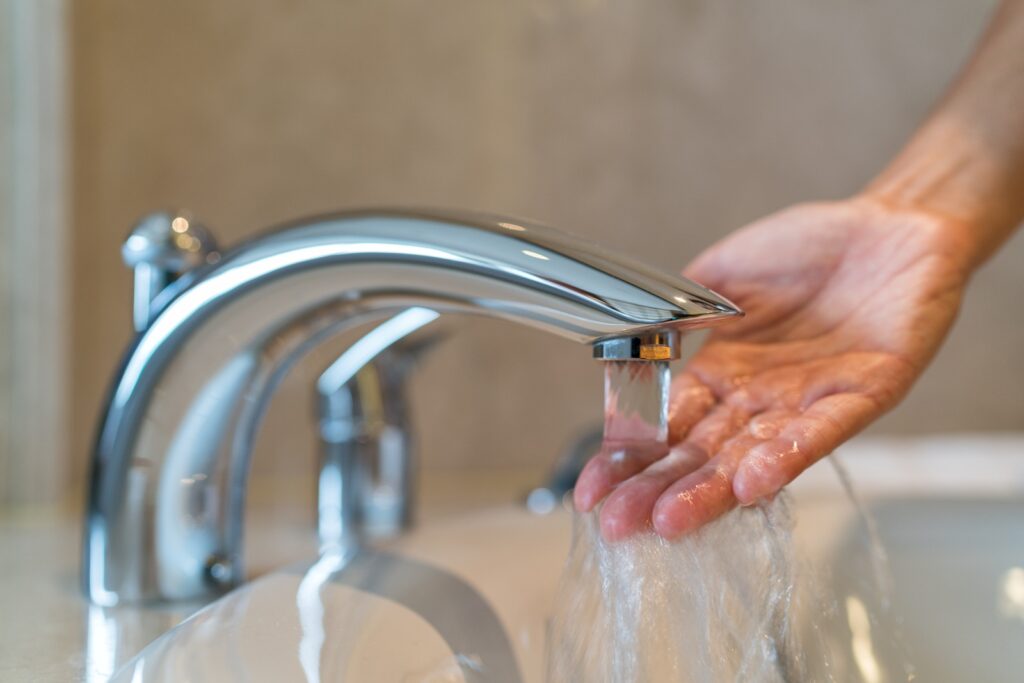
This guide explains exactly what changes in your water during hot weather, what compounds you are tasting and smelling, and what options are available to North Shore homeowners who want clean-tasting water from every tap regardless of season. Call 781.780.3184 for a professional assessment or visit our water filtration service page to learn more.
The Four Seasonal Factors That Change Your Water Quality Every Summer
Factor 1: Reservoir Algae and Organic Taste Compounds
Most North Shore communities receive water from the Massachusetts Water Resources Authority (MWRA), which draws from the Quabbin and Wachusett Reservoirs in central Massachusetts. The MWRA monitors algal levels in both reservoirs continuously throughout the year, because summer warmth promotes significant growth of algae and cyanobacteria in the upper water column.
As these organisms metabolize in warm water during July and August, they produce two naturally occurring compounds: geosmin and 2-methylisoborneol (2-MIB). These compounds create a distinctly earthy or musty taste and odor detectable by humans at concentrations as low as five to ten parts per trillion, a level far below any health threshold set by the EPA, but easily noticed by sensitive individuals. The MWRA applies powdered activated carbon treatment at the Cosgrove Water Treatment Plant when concentrations rise, but this does not always reduce levels below the detection threshold for everyone.
Factor 2: Seasonal Monochloramine Treatment Adjustments
According to the MWRA’s published FAQ on drinking water, the authority uses monochloramine (a combination of chlorine and ammonia) as the distribution disinfectant for most North Shore communities. Monochloramine is preferred over free chlorine because it maintains disinfection residual throughout long distribution networks and produces fewer regulated disinfection byproducts.
The MWRA’s own FAQ states directly that monochloramine odor is “more likely in the summer when water is warmer,” resulting from the normal adjustment of treatment chemistry in response to higher bacterial growth rates in warmer water. The MWRA also notes that chilling the water or leaving a pitcher in the refrigerator usually eliminates the odor. This is a cosmetic quality concern, not a health issue. But for sensitive individuals, the odor is noticeably stronger in July and August than in winter, particularly at taps used infrequently.
Factor 3: Home Plumbing and Standing Water Effects
Higher summer water temperatures accelerate the rate at which trace compounds leach from pipe materials into water sitting inside your home’s plumbing. Older North Shore homes with galvanized steel or aging copper supply lines release slightly higher concentrations of trace metals into water sitting in pipes during hot weather than during winter. Water sitting in plastic supply lines, rubber hose connections, or aged fixture gaskets for extended periods during hot weather can also develop a plasticky or off-odor from the materials themselves.
This effect is most noticeable at taps used infrequently and in vacation properties that have been closed for a week or more. Running the tap for 30 to 60 seconds before drawing drinking water can help by flushing standing water from the pipe inside your home. For a more lasting solution, our plumbing inspection service can identify aging pipe sections contributing to this problem and recommend targeted replacements.
Factor 4: Distribution Network Temperature and Chemical Interactions
Water temperature in the buried distribution mains rises during summer, changing how water interacts with pipe materials across the miles of network between the treatment plant and your home. Warmer water is chemically more active than cold water, which results in slightly higher rates of minor chemical interactions throughout the distribution system. These remain well within safe regulatory limits but are perceptible to sensitive palates, particularly in households that drink primarily tap water throughout the year.
Warning Signs Your Summer Water Quality Has Noticeably Changed
The following indicators suggest your water quality has changed enough to warrant a professional assessment. Your water has a persistent earthy or musty smell that does not clear after running the tap for 30 seconds. Your cold water has a chemical or chlorine-adjacent odor that makes coffee, tea, and cooking taste different than usual. Water from a pitcher filter or refrigerator dispenser tastes significantly better than straight tap water, indicating the incoming supply contains compounds that carbon media removes. Your household has gradually shifted toward bottled water during summer months without a conscious decision to do so.
If your water has a rotten egg or sulfur smell specifically from hot water taps rather than cold, that is a separate issue related to your water heater’s anode rod and bacterial activity inside the tank, not a filtration or MWRA distribution issue. Our water heater service team handles tank-related hot water odor independently.
DIY vs. Professional: Testing vs. Treating
Consumer test strips and mail-in water test kits give homeowners a starting point but screen only a limited range of compounds at limited accuracy levels. A certified laboratory analysis coordinated through Waldman Plumbing provides actionable data on monochloramine levels, pH, iron content, hardness, and other parameters that determine which filtration technology will actually address your specific water. Guessing at a filtration solution without testing first risks installing a system that does not solve the right problem.
The installation of any whole-house or point-of-use filtration system connected to your home’s plumbing requires a licensed plumber. This ensures proper bypass valves, correct pipe connections, appropriate filter housing placement, and no contamination risk from an incorrect installation. Our plumbing inspection service can evaluate your home’s internal plumbing condition as part of a comprehensive water quality consultation.
Water Filtration Options for North Shore Homeowners
Whole-House Activated Carbon Filtration
This is the most comprehensive solution for monochloramine odor, chlorine taste, geosmin, and 2-MIB. Activated carbon media adsorbs these compounds as water passes through the filter housing installed on your main supply line, treating all water to every tap, appliance, and fixture simultaneously. For households where drinking, cooking, and bathing water quality are all priorities, a whole-house carbon system delivers the most complete result. Visit our water filtration service page for full details on what we carry and install on the North Shore.
Under-Sink Carbon Block Filters
Under-sink carbon block filters provide the same monochloramine and organic compound removal as a whole-house system but at a single point of use, typically the kitchen sink or a dedicated drinking water tap. These are appropriate when the primary concern is drinking and cooking water quality rather than comprehensive whole-home treatment, and when a full system is not yet warranted by the water test results.
Water Softeners for Hardness-Related Issues
North Shore communities supplied by the MWRA receive soft water (approximately 16 mg/L hardness) and generally do not need softeners for the MWRA supply. Communities that draw from local wells or partially supplied sources may have higher hardness levels that cause scaling on fixtures and inside appliances. Our water softener service addresses hardness for those specific situations, often as part of a combined filtration and softening approach.
Local Context: MWRA Water and North Shore Seasonal Patterns
Not all North Shore communities draw exclusively from MWRA sources. Communities including Ipswich, Georgetown, and Gloucester maintain their own surface water or groundwater systems with different seasonal patterns and treatment chemistry. Homeowners in these communities should check with their local water department for seasonal water quality data specific to their supply source, as the taste and odor patterns may differ from MWRA-supplied towns.
The MWRA publishes monthly water quality reports and an annual water quality report (the 2025 report was published June 2026) that document seasonal monitoring data including algal levels, disinfectant concentrations, and distribution system parameters. Waldman Plumbing serves all North Shore communities including Lynn, MA, Reading, MA, Peabody, MA, and North Reading, MA, and we coordinate water testing appropriate for your specific water source before recommending any filtration system.
When to Call Waldman Plumbing and Heating
Call 781.780.3184 if your summer water quality has noticeably changed and you want a professional assessment rather than a guess. Waldman Plumbing and Heating is licensed and fully insured, with over 100 years of service to the North Shore. We are verified by the Better Business Bureau, rated by homeowners on Google, and reviewed on Yelp. We recommend filtration only when testing confirms it is needed and only install systems properly sized for your household’s water chemistry and usage profile.
Frequently Asked Questions: Summer Tap Water on the North Shore
Is it safe to drink North Shore tap water that smells or tastes off in summer?
In most cases, yes. The seasonal taste and odor changes caused by geosmin, 2-MIB, and elevated monochloramine adjustments are cosmetic quality-of-life concerns, not health hazards. These compounds are present at concentrations far below any health threshold set by the EPA. That said, a professional water test provides specific data about your home’s water chemistry if you have ongoing concerns.
What is geosmin and why does it make my water taste earthy in summer?
Geosmin is a naturally occurring compound produced by certain algae and cyanobacteria that thrive in warm reservoir water during summer months. The MWRA monitors algal levels in the Quabbin and Wachusett Reservoirs throughout the season. Geosmin creates an earthy or musty taste and odor detectable at concentrations as low as five to ten parts per trillion, a level far below any health limit but easily noticeable by sensitive palates.
Why does my North Shore tap water smell like chlorine in July?
The MWRA uses monochloramine (a combination of chlorine and ammonia) as the distribution disinfectant for most North Shore communities. According to the MWRA’s published FAQ, this chloramine adjustment is “more likely in the summer when water is warmer.” It is a safe, standard treatment adjustment, not a sign of a water quality problem. Whole-house activated carbon filtration removes the odor effectively.
Does a refrigerator water filter solve summer water taste and odor problems?
Refrigerator filters use activated carbon media that removes monochloramine, geosmin, and some volatile organic compounds from cold water effectively. However, they only treat water at the refrigerator dispenser, not at kitchen sink taps, bathroom faucets, or showers. A whole-house carbon filtration system treats all water entering the home from a single installation point.
Can I just run the tap for a while to improve summer water taste?
Running the tap for 30 to 60 seconds flushes standing water that may have accumulated trace compounds from pipe materials during hot weather. This can help with odors caused by water sitting in warm plastic supply lines inside your home. It does not address compounds already present in the incoming water supply from the MWRA distribution network.
What is monochloramine and why does the MWRA use it instead of chlorine?
Monochloramine is formed by combining chlorine with a small amount of ammonia. The MWRA uses monochloramine because it maintains disinfection residual throughout long distribution networks more effectively than free chlorine and produces fewer regulated disinfection byproducts. Its odor, which some people notice as a mild chemical or chlorine-like smell, is a cosmetic quality concern, not a safety concern, at concentrations used in treated municipal water.
Is monochloramine in MWRA water safe to drink?
Yes. The EPA regulates disinfectant levels in municipal water supplies and sets maximum limits that protect public health while maintaining adequate disinfection. Monochloramine at MWRA concentrations is well within safe limits. The taste and odor are quality-of-life issues that activated carbon filtration addresses effectively.
Why does my hot water smell different from my cold water in summer?
Hot water odor, particularly a sulfur or rotten egg smell from hot taps specifically, is a separate issue from seasonal cold water odor caused by MWRA treatment chemistry. Hot water odor typically relates to the water heater’s anode rod condition and bacterial activity inside the tank. Our water heater service team handles tank-related hot water odor as a distinct issue from water filtration.
Q9. How does a whole-house water filter work?
A whole-house filter is installed on the main water supply line where it enters your home, treating all water before it reaches any tap, appliance, or fixture. Most whole-house units for taste and odor use activated carbon media that adsorbs monochloramine, chlorine, geosmin, 2-MIB, and certain volatile organic compounds as water passes through. Filter cartridges require replacement every six to twelve months to maintain performance. Visit our water filtration service page for details.
Will a whole-house water filter reduce my water pressure?
A correctly sized whole-house filter installed by a licensed plumber does not cause a meaningful pressure reduction for normal residential use. Matching the filter housing capacity to your household’s flow rate is the key, which is why professional sizing and installation matter. Waldman Plumbing sizes every system to your specific household’s usage profile before installation.
Is bottled water a practical long-term alternative to home filtration?
Bottled water costs significantly more per gallon than filtered tap water over any period longer than a few months and generates substantial ongoing plastic waste. A whole-house or under-sink filtration system installed by a licensed plumber is more economical, more convenient, and far lower impact than sustained bottled water purchases.
What does the MWRA do to control summer taste and odor from reservoir algae?
The MWRA monitors algal concentrations in the Quabbin and Wachusett Reservoirs continuously and applies powdered activated carbon (PAC) treatment at the Cosgrove Water Treatment Plant in Marlborough when geosmin and 2-MIB concentrations rise above target levels. This reduces but does not always eliminate taste and odor below the detection threshold for sensitive individuals, which is why home filtration provides a more consistent personal result.
Is MWRA water hard or soft, and does water hardness cause summer taste problems?
According to the MWRA, MWRA water is soft, with a hardness of approximately 16 milligrams per liter (1 grain per gallon). Hardness is generally not a source of taste problems in MWRA-supplied communities. Some North Shore towns draw from local groundwater or mixed sources that may have higher hardness, which can affect scaling on fixtures and appliances. Our water softener service addresses hardness for those specific situations.
What is 2-MIB and how does it affect my water’s taste in summer?
2-Methylisoborneol (2-MIB) is a naturally occurring compound produced by certain cyanobacteria in warm reservoir water, related to geosmin. It produces a musty, slightly camphor-like taste and odor detectable at very low concentrations. Like geosmin, it is not harmful at the concentrations found in treated municipal water and is removed effectively by activated carbon filtration systems installed at home.
How do I get a professional water quality test and filtration consultation from Waldman?
Call 781.780.3184 or visit our water filtration service page to discuss water testing and whole-house filtration options. We serve Lynn, MA, Reading, MA, Peabody, MA, North Reading, MA, and all North Shore communities. We coordinate professional water testing before recommending any system to ensure the solution matches your water’s actual chemistry.
Summer Water Quality Concerns Do Not Have to Follow You Into Fall. Call Waldman.
Waldman Plumbing and Heating helps North Shore homeowners identify exactly what is in their tap water and install the right filtration solution to address it. Whether you need a whole-house carbon system, an under-sink filter, or a combination approach, our team gives you honest recommendations backed by over 100 years of plumbing expertise. Call 781.780.3184 today or visit our water filtration service page to get started.