



The Difference Between Routine Drain Cleaning and Emergency Drain Clearing
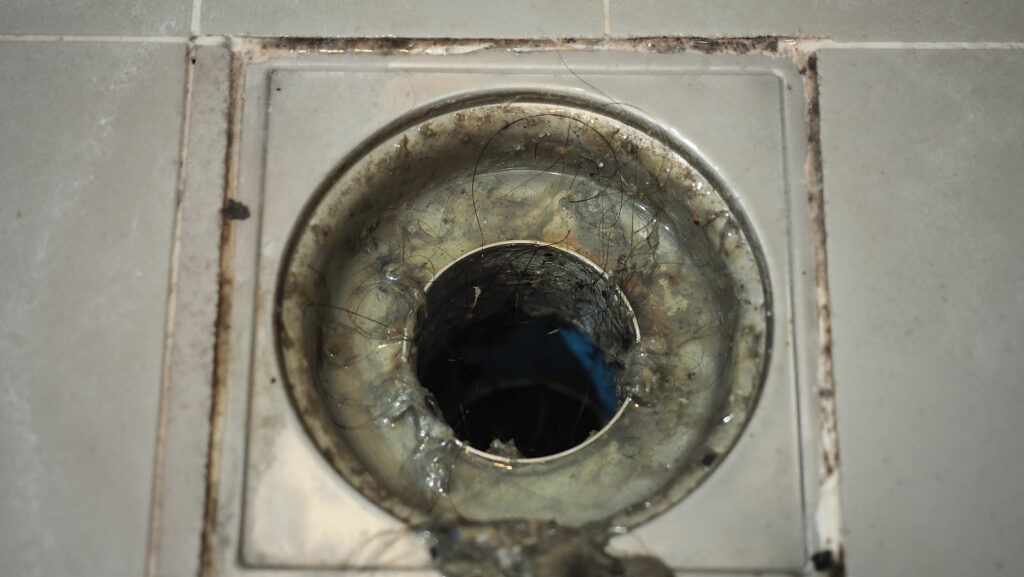
Drain problems rarely show up without warning. Most of the time, your plumbing gives small signs before a serious backup happens. A sink drains a little slower. A shower leaves water around your feet. A faint odor rises from a floor drain. These small issues often point to a buildup inside the pipes. The difference between routine drain cleaning and emergency drain clearing comes down to timing, severity, and how much damage has already occurred.
Homeowners in Lynn, MA and across the North Shore deal with a mix of older plumbing systems and heavy seasonal use. Cold winters, aging pipes, and daily wear all affect drain performance. Knowing when to schedule preventive cleaning and when you are facing a true emergency helps protect your home, your plumbing system, and your peace of mind.
What Routine Drain Cleaning Really Means
Routine drain cleaning focuses on prevention. A plumber removes buildup inside your drain lines before it blocks the pipe completely. This service targets grease, soap residue, food waste, hair, and mineral scale that slowly collect along pipe walls.
Think of it like cleaning out your gutters before heavy rain hits. Water still flows, but debris keeps narrowing the path. Without cleaning, that narrow space eventually closes.
During routine service, a technician may use a drain snake, auger, or high-pressure water equipment to clear buildup along the full length of the pipe. The goal is not just to punch a hole through a clog. The goal is to restore the pipe diameter so water flows freely again.
Routine cleaning usually happens when:
- Drains move slowly but still function
- You notice gurgling sounds
- Odors rise from the kitchen or bathroom drains
- You want preventive maintenance
- A camera inspection shows buildup forming
This type of service happens on your schedule. You choose the timing. You prevent a crisis before one forms.
What Emergency Drain Clearing Involves
Emergency drain clearing deals with an active blockage that disrupts daily life. Water backs up into sinks. Toilets overflow. Basement floor drains release wastewater. At this point, the pipe has little or no open space left.
Emergencies demand immediate action because water damage can spread quickly. Backed-up wastewater can damage flooring, drywall, and personal belongings. Health risks also increase when sewage enters living areas.
Emergency drain clearing focuses on restoring function fast. A plumber works to remove the blockage as quickly and safely as possible. Once water flows again, the technician may recommend further inspection to understand why the blockage occurred.
Emergency service usually happens when:
- Water does not drain at all
- Multiple fixtures back up at once
- Sewage appears in lower drains
- Toilets overflow without warning
- Standing water rises quickly
The main difference here lies in urgency. Routine cleaning prevents disruption. Emergency clearing responds to a disruption already happening.
How Buildup Turns Into a Blockage
Drain pipes rarely clog overnight. Most emergency calls start months earlier with a gradual buildup. Grease coats the kitchen drain walls. Soap scum collects in bathroom lines. Hair catches and forms a web. Over time, that buildup thickens.
In older homes throughout the North Shore, cast iron pipes often develop scale along the interior surface. That rough texture traps debris faster than smooth modern piping. Even small amounts of waste stick to it and grow into large obstructions.
Routine drain cleaning removes this material before it hardens into a solid mass. Emergency clearing happens after the buildup blocks the pipe completely. A small slowdown signals opportunity. A full backup signals damage already underway.
The Cost of Waiting Too Long
Many homeowners ignore early warning signs because drains still work. Water still disappears. The sink eventually empties. That delay creates risk. Once a clog seals off the pipe, pressure builds behind it. Wastewater seeks the lowest exit point. In homes with basements, that often means floor drains. In multi story homes, lower bathrooms show problems first.
Emergency drain clearing often involves more cleanup than routine maintenance. Water may damage cabinets, baseboards, or finished basement flooring. Even after the pipe clears, restoration work may follow. Routine drain cleaning avoids these situations. You address the issue while it remains manageable.
Tools and Techniques Used in Each Service
Routine drain cleaning often involves thorough cleaning of the pipe interior. A technician may:
- Run a mechanical snake to remove debris
- Use high pressure water to wash pipe walls
- Inspect lines with a small camera
- Clear minor root growth in early stages
Emergency clearing focuses on reopening the pipe quickly. The technician may:
- Break through a solid blockage
- Remove foreign objects
- Clear heavy grease buildup
- Address sudden root intrusion
After emergency service, many plumbers recommend follow up cleaning to remove remaining residue. A single opening in a clog does not guarantee long term flow. Without full cleaning, another blockage may form soon.
Tree Roots and Sudden Blockages
Homes in Lynn and surrounding communities often have mature trees near sewer lines. Roots seek moisture and can enter through small pipe joints or cracks. At first, they create minor resistance. Over time, they grow thicker and trap waste.
Routine inspections and cleaning can detect early root growth before it blocks the line. Emergency clearing usually happens after roots combine with debris and stop flow completely.
Root intrusion highlights the value of prevention. Once roots expand inside a pipe, more extensive repair may follow if the damage goes untreated.
How to Tell Which Service You Need
You likely need routine drain cleaning if:
- One drain moves slowly
- You hear light gurgling
- Odors appear but no backup occurs
- Problems develop gradually
You likely need emergency drain clearing if:
- Several fixtures back up at once
- Water rises instead of draining
- Sewage appears in tubs or floor drains
- The issue begins suddenly and severely
Pay attention to patterns. Slow change points toward maintenance. Sudden failure points toward emergency service.
Why Preventive Cleaning Matters in Older Homes
Many properties across the North Shore feature plumbing systems that have operated for decades. Older pipes accumulate scale, corrosion, and rough interior surfaces. These conditions make buildup form faster.
Routine drain cleaning helps maintain flow capacity in aging systems. Removing buildup reduces pressure strain and supports longer pipe life. Preventive service also allows technicians to identify cracks, joint separation, or structural concerns before a major failure.
Emergency clearing does not offer that same early detection benefit. It solves the immediate problem but does not replace maintenance planning.
Health and Safety Considerations
Standing wastewater creates bacteria growth and unpleasant odors. Backups increase exposure risks for families. Even small leaks from clogged drains can damage subflooring and insulation.
Routine cleaning reduces these risks by keeping water moving properly. Emergency service limits damage during a crisis. Both services protect health, but prevention always provides greater peace of mind.
Long Term Planning for Drain Health
Homeowners often ask how frequently they should schedule cleaning. The answer depends on household size, pipe age, and usage habits. Kitchens that see heavy cooking and grease disposal need more attention. Homes with large families also place greater demand on drain systems.
Annual inspections help determine buildup levels. A technician can recommend a cleaning schedule that fits your property’s needs. Prevention keeps drains working quietly in the background. Emergency calls disrupt schedules and bring stress.
Understanding the difference between these two services helps you stay ahead of problems instead of reacting to them.
FAQs About Drain Cleaning in Lynn, MA and the North Shore Area
How often should I schedule routine drain cleaning?
Many homes benefit from annual cleaning, though heavy use kitchens may require more frequent service.
Does a slow drain always mean I need emergency service?
Slow drainage usually signals buildup and does not require emergency clearing unless water stops flowing.
Can routine drain cleaning prevent sewer backups?
Yes. Removing buildup reduces the chance of complete blockages that cause backups.
What causes sudden drain blockages?
Grease accumulation, foreign objects, or tree roots often trigger rapid clogs.
Should I get a camera inspection after emergency drain clearing?
A camera inspection helps identify the root cause and prevent repeat blockages.
For dependable drain cleaning in Lynn, MA and the North Shore Area, call Waldman Plumbing and Heating at 781.780.3184. Prevent backups before they start.