



What Happens During a Home Plumbing Inspection? A Step-by-Step Guide
The most common reason homeowners put off scheduling a plumbing inspection is a simple one: they do not know what is going to happen. Will the plumber tear apart walls? Will they find something expensive? How long will it take? Will they need to be home? This guide answers all of those questions clearly and directly. Waldman Plumbing and Heating has performed plumbing inspections throughout the North Shore and Greater Boston area for over 100 years. Our licensed Master and Journeyman Plumbers are BBB accredited, fully insured with General Liability and Workers Compensation coverage, and carry verified reviews on Google, Yelp, and HomeAdvisor. Our Ultimate Savings Club includes an annual plumbing inspection for just $79 per year. Call 781.780.3184 to schedule, or read on to understand exactly what our plumbers look at and why it matters for every home on the North Shore.
What Is a Plumbing Inspection and Why Does It Matter?
A plumbing inspection is a comprehensive professional evaluation of every major component in your home’s water supply, drain, and gas systems. A licensed plumber works through your home systematically, assessing the condition and performance of pipes, fixtures, water heaters, shutoff valves, drain lines, and sewer connections. The goal is to identify developing problems before they become expensive emergencies and to document the current state of your plumbing for your own peace of mind.
In Massachusetts, plumbing inspections are performed by or under the direct supervision of a licensed Master Plumber regulated by the Massachusetts Board of State Examiners of Plumbers and Gas Fitters under 248 CMR 10.00. This licensing requirement means the person assessing your plumbing has passed state examinations, carries active credentials, and is held to professional standards that a general handyman or unlicensed contractor is not.
The Greater Boston metro area has a median home age of 58 years, and Massachusetts has the highest percentage of pre-1940 homes in the country. In homes this age, the plumbing system has often outlived one or more generations of original components. Annual inspections catch the small failures, early-stage corrosion, and declining performance that accumulate quietly in these systems before they become burst pipes, sewer backups, or water heater failures at the worst possible time.
Before the Inspection: What to Expect from Waldman
Waldman Plumbing and Heating takes a deliberate approach to inspection scheduling and arrival. Our plumbers will not arrive before 8:00 AM and will give you advance notice of their arrival window. They arrive in a clearly marked, fully stocked service vehicle, wearing clean uniforms and shoe covers to protect your floors. No music, no loud equipment unloading in the driveway, and no disruption to your neighbors. We cover any areas where we need to move through your home to prevent dirt tracking, and we take all findings back to you in plain language before recommending any repair or follow-up work.
Step-by-Step: What a Waldman Plumber Checks During a Home Inspection
Step 1: Water Supply System and Main Shutoff Valve
The inspection begins at the water entry point. The plumber locates and tests the main shutoff valve to confirm it opens and closes fully. A main valve that is seized or slow to close is a critical vulnerability: in a pipe emergency, the main valve is your first line of defense, and a non-functioning valve turns a manageable problem into a flooding event. The plumber checks water pressure at the entry point, verifying it falls within the acceptable residential range (typically 40 to 80 PSI). Pressure outside this range can indicate a failing pressure regulator or a supply-side issue that affects every fixture in the house. The condition and material of the main supply line is also assessed. In older North Shore homes, original galvanized steel or early copper supply lines may show signs of corrosion, scale buildup, or pinhole leak potential that warrant discussion with the homeowner.
Step 2: Pipe Condition Throughout the Home
The plumber inspects all accessible piping, including supply lines in the basement, utility areas, crawl spaces, and under-sink cabinetry. They look for visible corrosion, discoloration indicating mineral deposit buildup, moisture staining around joints, and signs of prior repairs that may not be holding long-term. Pipe material is noted: homes with original galvanized steel (common in pre-1950s construction) are flagged for repiping assessment because galvanized steel corrodes from the inside out, reducing both water quality and flow capacity over time without visible exterior signs.
Step 3: Kitchen Plumbing
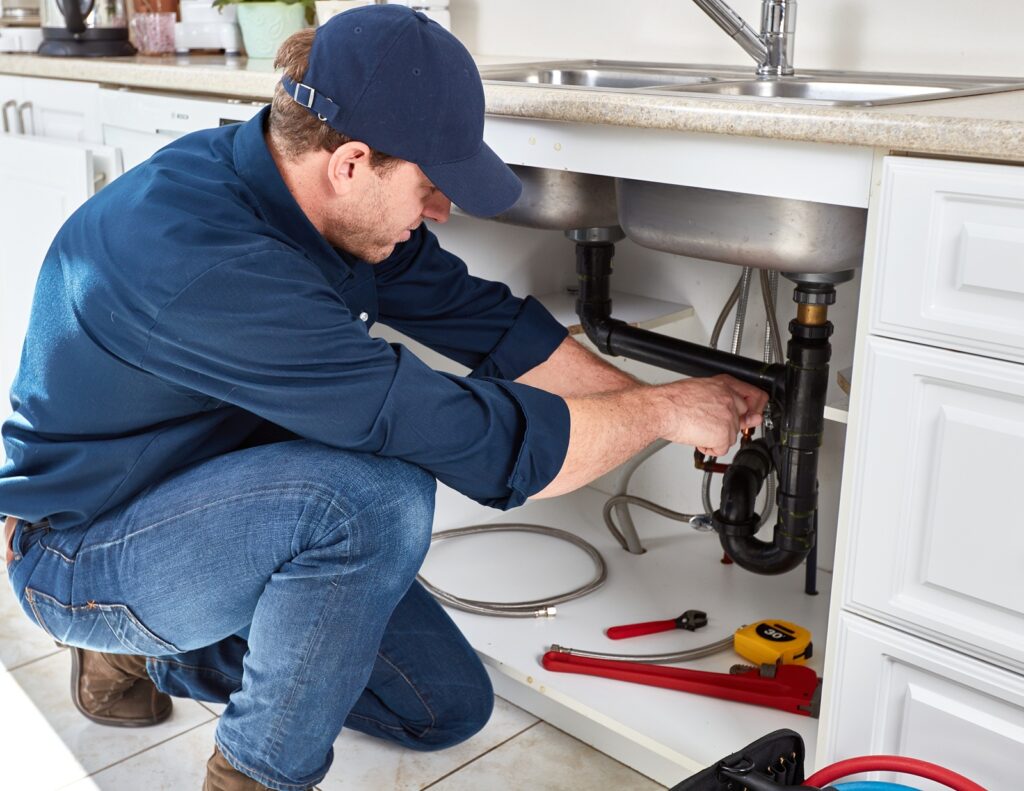
In the kitchen, the plumber tests the faucet for flow rate and checks for drips at the spout and base. Supply lines and shutoff valves under the sink are inspected for corrosion, leaks, and functionality. The drain, trap, and P-trap assembly under the sink are checked for slow drainage, moisture, or improper configuration. If a garbage disposal is present, the plumber runs it, listens for grinding or rattling, and inspects the drain connection for leaks.
Step 4: Bathroom Plumbing
Every bathroom receives a full fixture assessment. The plumber flushes each toilet and listens for running, checks the flapper seal, tests the fill valve, and inspects the wax ring seal area for staining or moisture at the base. Bathroom sink faucets and drain stoppers are tested. Showerhead flow and temperature consistency are checked. For tub and shower combinations, the diverter is tested, the drain is inspected, and the supply valve is assessed for drips at the handle or cartridge. In older North Shore bathrooms, shutoff valves and supply lines under vanities are among the most commonly flagged components due to age and corrosion.
Step 5: Water Heater
The water heater inspection includes checking the age and expected remaining service life, testing the temperature and pressure relief (TPR) valve to ensure it is functional (a failed TPR valve is a safety issue), inspecting the anode rod condition if accessible, checking all supply and discharge connections for leaks or corrosion, assessing venting adequacy for gas and oil models, and verifying the temperature setting. North Shore homeowners with water heaters over 10 to 12 years old are typically advised on replacement timing during this portion of the inspection.
Step 6: Drain Lines and Sewer Connection
The plumber assesses drain performance throughout the home by observing how quickly fixtures drain, listening for gurgling that indicates partial obstructions or venting issues, and checking for slow drains that may indicate buildup in the P-trap, branch line, or main stack. For homes where the homeowner reports recurring slow drains, backup history, or where the house is more than 50 years old, the plumber may recommend a camera inspection of the main sewer lateral to rule out root intrusion, pipe sags, or structural deterioration. See our sewer repair service for more on what a sewer camera inspection reveals.
Step 7: Shutoff Valves and Supply Lines Throughout the Home
Individual fixture shutoff valves are tested for operation. A valve that cannot be turned off isolates nothing during an emergency at that fixture. In Boston-area homes built before the 1980s, original shutoff valves are commonly seized from decades of no use and are a priority replacement item. Supply lines under sinks and to toilets are inspected for cracking, bulging, or corroded fittings that signal imminent failure. Replacing supply lines proactively is one of the highest-value low-cost actions a homeowner can take to prevent unexpected flooding. For full coverage of what shutoff valve assessment involves, see our leak detection service.
Step 8: Outdoor Plumbing
Hose bibs and outdoor shutoff valves are checked for drips, spinning handles, and valve functionality. In summer inspections, the plumber can identify post-winter hose bib damage that a homeowner may not have noticed yet. Outdoor supply lines to irrigation systems or hose bib connections are assessed where accessible. The condition of any exterior cleanout for the main sewer drain is also verified.
Step 9: Carbon Monoxide Analysis
Waldman’s Ultimate Savings Club annual inspection includes carbon monoxide analysis of the home using digital equipment. This goes beyond a standard plumbing check and is specific to homes with gas or oil-fired water heaters and heating systems. CO testing identifies combustion issues that are not visible to the eye and that a standard plumbing inspection might not flag without dedicated detection equipment. See our Boston carbon monoxide testing service for more on the importance of this assessment.
Step 10: Findings Review and Recommendations
After completing the inspection, the plumber sits down with the homeowner and walks through all findings in plain language. Priority items (things that pose an immediate risk or are likely to fail soon) are clearly distinguished from maintenance items (things that are worth addressing but not urgent) and advisory items (things to monitor over time). Written estimates for any recommended repair work are provided on the same visit if desired, using flat-rate pricing. There is no pressure to authorize anything on the spot.
How Long Does a Plumbing Inspection Take?
A standard Waldman Plumbing and Heating plumbing inspection of a single-family home takes approximately one to two hours. Larger homes, multi-family properties, or homes where several systems need more careful attention may take somewhat longer. A commercial plumbing inspection is scoped based on the building size and systems involved. We tell you the estimated time when we schedule so you can plan your day accordingly. You do not need to take a full day off work for a standard inspection.
What Is the Difference Between a Plumbing Inspection and a Home Inspection?
A standard home inspection performed during a real estate transaction covers plumbing as one of many systems the inspector reviews. Home inspectors are generalists and typically spend 15 to 30 minutes on plumbing in a 2-to-3 hour full-home inspection. They check for obvious signs of problems but typically do not test individual fixture shutoff valves, evaluate pipe material lifespans in detail, assess water heater TPR valve function, or investigate drain performance systematically. A dedicated plumbing inspection by a licensed Master Plumber is a specialist evaluation that goes significantly deeper into every plumbing system component. Greater Boston home buyers who have already received a general home inspection are often surprised by what a specialized plumbing inspection reveals in older North Shore properties.
What the Waldman Ultimate Savings Club Inspection Includes
Waldman’s Ultimate Savings Club membership provides an annual plumbing inspection as its core service, along with several membership privileges that go beyond the inspection itself:
- Annual plumbing or heating inspection by a licensed Waldman technician
- Carbon monoxide analysis with digital detection equipment
- 10 percent discount on all repair and service work, including same-day repairs discovered during the inspection
- Zero destination fee on regular service calls
- Guaranteed front-of-line scheduling, placing members ahead of new customer calls
- Priority scheduling for emergency service calls within the next business day
- Extended warranties on all labor and materials from Waldman work performed during the membership year
- 100 percent money-back satisfaction guarantee
Membership is $79 per year. Plumbing and heating packages are sold individually, and signing up for both earns the second membership at half price. For most homeowners on the North Shore, the 10 percent discount on a single repair call during the year covers the cost of the membership entirely. Combine that with the peace-of-mind from knowing a licensed plumber has walked every inch of your plumbing system, and the value is clear. See the financing options available if you want to bundle the USA Club with a repair or upgrade discovered during the inspection.
What Does a Plumbing Inspection Commonly Find in North Shore Massachusetts Homes?
In over 100 years of serving the North Shore, the Waldman team has seen consistent patterns in what inspections reveal in Greater Boston’s older housing stock. The most commonly found issues in homes over 30 years old include seized or slow-to-close individual fixture shutoff valves, aging or corroded supply lines under sinks and to toilets, running toilets with worn flapper seals or fill valves that the homeowner had assumed were normal, water heaters past their recommended service life (10 to 12 years for tank models), outdated galvanized steel supply lines in pre-1960 homes, slow main drains with partial buildup in older cast iron drain stacks, and hose bibs that sustained winter damage without the homeowner’s knowledge. Most of these findings are minor or moderate repairs that cost far less to address at inspection than they do after a failure. Read our verified customer reviews to see how North Shore homeowners describe the value they received from a Waldman inspection.
When to Call Waldman to Schedule Your Plumbing Inspection
The right time for a plumbing inspection is before something fails. On the North Shore, the two most popular inspection windows are early spring (before summer water use peaks) and early fall (before the heating season begins). A summer inspection is also valuable for catching hose bib and outdoor plumbing damage from the prior winter, assessing water heaters before cold-weather demand increases, and establishing a baseline condition for any older home that has not been professionally assessed recently. Call Waldman at 781.780.3184 to schedule, or enroll in the Ultimate Savings Club to lock in your annual inspection at $79 with all member benefits included. Our licensed, BBB-accredited plumbers serve the entire North Shore and Greater Boston area with same-day availability for urgent needs and flexible scheduling for planned inspection visits.
FAQs About Home Plumbing Inspections
What does a licensed plumber check during a home plumbing inspection?
A comprehensive plumbing inspection covers the main shutoff valve and water pressure at entry, all supply pipes and their condition and material, every kitchen and bathroom fixture including faucets, toilets, showers, and tubs, supply line and shutoff valve condition at each fixture, the water heater including its age, TPR valve, and connections, all drain lines and sewer connection performance, outdoor plumbing including hose bibs and shutoff valves, and for Waldman’s Ultimate Savings Club inspections, carbon monoxide testing with digital equipment.
How long does a home plumbing inspection take?
A standard plumbing inspection of a single-family home by Waldman Plumbing and Heating takes approximately one to two hours. Larger homes, multi-family properties, or homes with multiple plumbing systems requiring closer assessment may take longer. Waldman will provide an estimated time when your appointment is scheduled so you can plan accordingly.
What is the difference between a plumbing inspection and a home inspection?
A home inspection covers plumbing as one of many systems in a general walkthrough, typically spending 15 to 30 minutes on plumbing. A dedicated plumbing inspection by a licensed Master Plumber is a specialist evaluation covering every fixture, valve, pipe, and drain system in the home in detail. For Greater Boston’s older housing stock, a dedicated plumbing inspection identifies issues that a general home inspection regularly misses.
Do I need to prepare my home for a plumbing inspection?
No significant preparation is required. It helps to provide access to any areas where plumbing is located, including the basement, utility closet, under-sink cabinets, and any crawl space access points. If you know of specific concerns, noting them beforehand helps the plumber prioritize. Waldman plumbers bring all required equipment and tools; you do not need to provide anything.
What happens after a plumbing inspection if problems are found?
After completing the inspection, the Waldman plumber walks through all findings with you in plain language, clearly separating priority items from maintenance items. Written flat-rate estimates for any recommended repairs are available on the same visit. You are never pressured to authorize work immediately, and you can take time to decide which repairs to schedule.
How much does a plumbing inspection cost?
The cost of a Waldman plumbing inspection varies based on the scope and property size. Homeowners who enroll in the Ultimate Savings Club receive their annual plumbing inspection as part of the $79 per year membership. Call 781.780.3184 to discuss the right inspection option for your home and to get an upfront estimate before scheduling.
How often should a home get a plumbing inspection?
Annual inspections are the recommended schedule for most homeowners, particularly those in older North Shore and Greater Boston homes where plumbing components have been in service for decades. Annual inspection catches developing issues at their lowest-cost stage, before a seized valve, corroded supply line, or aging water heater becomes an emergency. Waldman’s Ultimate Savings Club makes annual inspections simple and affordable.
What tools does a plumber use during an inspection?
A Waldman plumber uses a pressure gauge to verify water pressure at the main entry, a flow meter or visual assessment for fixture flow rates, a dye tablet for toilet seal testing, visual inspection with high-lumen flashlights for assessing pipe conditions in dark spaces, a digital carbon monoxide detector for Waldman USA Club inspections, and a camera system for sewer line assessment when recommended.
Can a plumbing inspection detect hidden leaks?
A plumbing inspection can identify signs of hidden leaks including moisture staining, discoloration on walls or ceilings, mineral deposit patterns around pipe joints, and abnormal water pressure drops. For confirmed hidden leak detection involving pipes inside walls or under slabs, a dedicated leak detection visit using specialized equipment provides more definitive results. Waldman provides both as part of our comprehensive service range.
Is a plumbing inspection required when selling a home in Massachusetts?
A dedicated plumbing inspection is not legally required as part of a standard real estate transaction in Massachusetts, but a buyer’s home inspection will cover plumbing to a general degree. Many sellers proactively schedule a plumbing inspection before listing to identify and address issues that might surface during a buyer’s inspection and delay or complicate a sale. For buyers, a dedicated plumbing inspection beyond the general home inspection is a strong protective measure in Greater Boston’s older housing market.
Does a plumbing inspection cover gas lines?
Waldman plumbers assess visible and accessible gas supply lines for condition and connections during a standard inspection, and our Ultimate Savings Club inspection includes carbon monoxide analysis to identify combustion issues in gas and oil-fired appliances. For a dedicated gas line pressure test, Waldman provides this as a standalone service as well.
What is the Waldman Ultimate Savings Club and what does it include?
The Ultimate Savings Club is Waldman’s $79 per year membership plan that includes an annual plumbing or heating inspection by a licensed technician, carbon monoxide analysis with digital equipment, a 10 percent discount on all repair and service work, zero destination fees on service calls, guaranteed front-of-line scheduling, priority emergency scheduling, extended warranties on all labor and materials, and a 100 percent satisfaction guarantee.
What plumbing issues do inspections most commonly find in North Shore MA homes?
The most consistently found issues in older North Shore homes include seized individual fixture shutoff valves that can no longer fully close, aging or corroded supply lines under sinks and at toilets, running toilets with worn flappers that owners had not noticed, water heaters past 10 to 12 years of service life, galvanized steel supply lines in pre-1960 homes, partially blocked main drain stacks with years of scale accumulation, and hose bibs with post-winter damage that was never addressed.
Can I watch the plumber during the inspection?
Absolutely. Waldman encourages homeowners to accompany the plumber through the inspection so they can see exactly what is being assessed and why specific items are flagged. Seeing the condition of a component in person is far more meaningful than reading about it in a written report, and it gives homeowners the context to make informed decisions about what to prioritize.
What is included in the carbon monoxide analysis during a Waldman inspection?
The carbon monoxide analysis included in Waldman’s Ultimate Savings Club inspection uses calibrated digital detection equipment to test air quality near gas and oil-fired appliances, including water heaters, boilers, and furnaces. CO is an odorless gas that can reach dangerous levels from combustion appliances with cracked heat exchangers, improper venting, or incomplete combustion. Digital testing provides quantitative results rather than the simple alarm or no-alarm output of a standard CO detector.
Schedule Your Home Plumbing Inspection Today
Waldman Plumbing and Heating’s licensed, fully insured plumbers have been inspecting and maintaining homes across the North Shore for over a century. A professional plumbing inspection is one of the most practical investments a homeowner can make, and when bundled into our Ultimate Savings Club membership, the cost is simply $79 per year. Call 781.780.3184 now, or explore our complete plumbing inspection service for more detail. Check current service coupons for available savings, or see our full range of residential plumbing services throughout the North Shore.