



Why Filter Performance Declines Even Without Heavy Water Consumption
Many homeowners across Lynn and the North Shore assume water filters only lose effectiveness after heavy use. That belief leads to confusion when water quality drops, even though household water consumption stays low. A filter may look clean, water usage may feel normal, yet taste, odor, or clarity changes anyway. This situation frustrates homeowners because it feels unexpected and unfair.
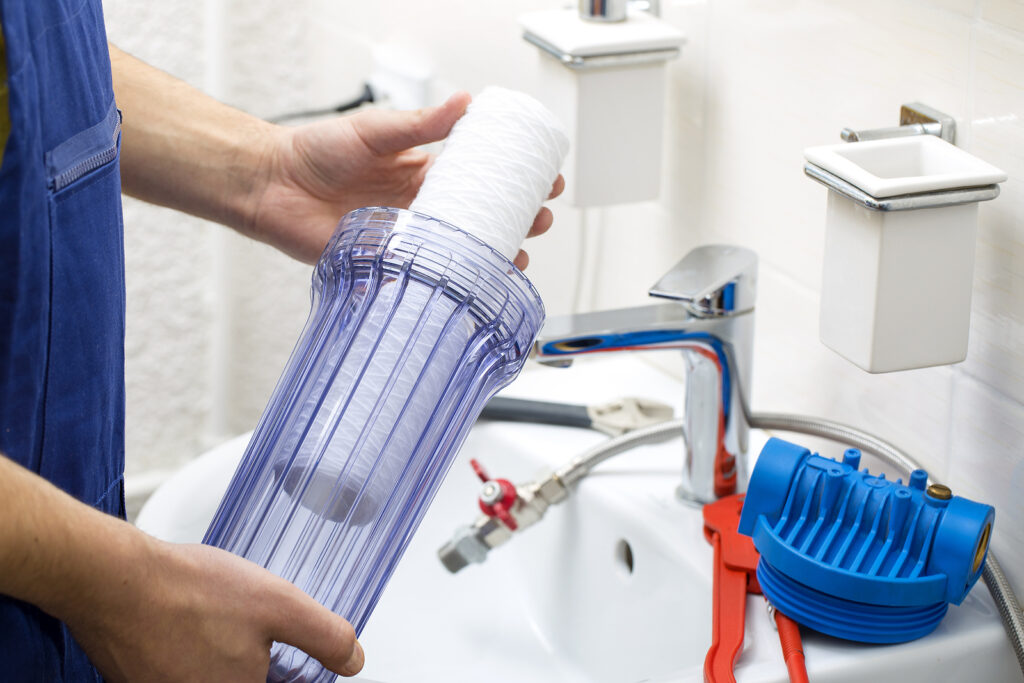
Water filtration systems react to more than gallons passing through them. Time, water chemistry, temperature changes, and system design all play major roles. Even homes with light water usage experience declining filter performance due to factors most people never consider.
Understanding why this happens helps homeowners protect their water quality and avoid false assumptions about system health. At Waldman Plumbing and Heating, we see this issue often during inspections throughout Lynn and the North Shore.
Time Alone Changes How Filters Perform
Filters age even while sitting idle. Internal media reacts to air exposure, moisture, and temperature changes. Carbon filters slowly lose adsorption capacity as pores fill with airborne particles and residual moisture minerals.
Sediment filters harden over time. Resin beads inside softening or filtration systems lose flexibility and efficiency as they sit under pressure. These changes occur even when water flows lightly.
Many manufacturers base replacement timelines on time, not just usage, because materials degrade naturally. A filter that worked perfectly last year may struggle today despite minimal water use. This aging process explains why seasonal homes and small households still experience filter decline.
Water Chemistry Works Constantly Against Filters
Water chemistry never rests. Dissolved minerals, chlorine, chloramines, iron, and organic matter interact with filter media around the clock. Even low flow exposes filters to chemical reactions that alter performance.
Chlorine slowly breaks down the carbon structure. Minerals coat internal surfaces. Iron and manganese oxidize inside the filter housing. These reactions occur regardless of flow volume.
Municipal water treatment also changes throughout the year. Seasonal adjustments affect disinfectant levels and mineral balance. Filters must adapt continuously, even if household usage stays steady.
This chemistry-driven wear explains sudden performance drops after water treatment changes.
Bacterial Growth Occurs During Low Usage
Light water usage creates ideal conditions for bacteria inside filters. Stagnant water encourages microbial growth on filter surfaces. These organisms block pores and release byproducts that affect taste and odor.
Filters work best with a consistent flow that flushes contaminants. Long idle periods allow bacteria to multiply. Vacation homes, single-occupant households, and seasonal residents often experience this issue.
Once bacteria colonize filter media, performance drops quickly. Water may smell earthy or musty despite low consumption. Regular flushing helps, but some growth becomes embedded inside the filter material.
This biological factor surprises many homeowners.
Pressure Fluctuations Stress Filter Media
Water pressure changes affect filters even without heavy usage. Municipal systems adjust pressure during peak demand hours. Temperature changes also influence internal pressure.
These fluctuations compress and expand filter media repeatedly. Over time, this movement causes channeling. Water finds easier paths through the filter, bypassing effective filtration zones.
Channeling reduces contact time between water and filter media. Performance drops even though the filter still appears intact.
Homes with pressure variations often experience faster decline regardless of usage volume.
Sediment Accumulation Does Not Require High Flow
Sediment settles inside filters even with light usage. Fine particles enter slowly and remain trapped. Without enough flow to flush debris evenly, sediment accumulates unevenly.
This buildup blocks sections of the filter while leaving others underused. Flow reroutes through less resistant areas, reducing overall effectiveness.
Homes supplied by older infrastructure often experience sediment release during maintenance or pressure changes. Even brief exposure accelerates clogging.
Sediment accumulation explains why filters lose performance suddenly after calm usage periods.
Filter Placement Influences Longevity
Filter location plays a major role in performance decline. Filters installed near water heaters experience temperature stress. Heat accelerates chemical reactions and degrades media faster.
Filters placed in damp basements face humidity exposure that affects internal materials. Exterior wall installations experience temperature swings that stress housings and seals.
Poor placement shortens filter lifespan regardless of water volume. Relocating filters to stable environments often improves long-term performance. Many older installations prioritized convenience over longevity.
System Design Can Limit Filter Effectiveness
Some filtration systems rely on outdated designs that struggle under modern water conditions. Undersized housings restrict flow distribution. Improper bypass valves allow untreated water to mix with the filtered supply.
Incorrect flow rates reduce contact time between water and filter media. Even light usage suffers when design mismatches occur.
Modern filtration systems account for flow dynamics and pressure balance. Older systems often lack these improvements, leading to premature performance decline. Design limitations explain why replacement alone does not always solve the issue.
Why Filters Appear Clean While Performance Drops
Visual inspection often misleads homeowners. Filters clog internally before showing visible dirt. Carbon pores fill microscopically. Resin beads lose capacity without a visible change.
Water may still run clear while contaminants slip through untreated. Taste and odor issues usually appear before discoloration.
Trusting appearance alone delays replacement and compromises water quality. Performance testing provides a more accurate evaluation. This disconnect between appearance and function confuses many homeowners.
Signs Filter Performance Has Declined
Common warning signs include:
- Changes in water taste or odor
- Reduced water pressure at fixtures
- Cloudy water after standing
- Skin irritation or dryness
- Appliance scaling despite filtration
These symptoms often appear gradually. Many homeowners adjust without realizing filtration has declined.
Early detection prevents prolonged exposure to untreated water.
How Professional Evaluation Restores Performance
Professional inspections assess more than filter age. Technicians evaluate water chemistry, pressure patterns, placement, and system design.
At Waldman Plumbing and Heating, we test water before and after filtration. We inspect housings, seals, and bypasses. We recommend adjustments based on real conditions, not assumptions.
Sometimes simple changes restore performance. Other times, system upgrades provide lasting solutions. Understanding the full system protects water quality long-term.
FAQs: Water Filter Performance in Lynn, MA
Can filters lose effectiveness without heavy water use?
Yes. Time, chemistry, and bacteria affect filters regardless of usage.
Why does my water taste worse even though usage stayed low?
Chemical reactions and bacterial growth inside filters alter taste over time.
Does water pressure affect filter performance?
Yes. Pressure changes cause channeling that reduces filtration efficiency.
How often should filters be checked in low usage homes?
Annual inspections help detect early performance decline.
Can filter placement improve lifespan?
Yes. Stable temperature and humidity conditions support better performance.
Water quality issues can appear even with low usage. Call Waldman Plumbing and Heating at 781.780.3184 for expert filter evaluation in Lynn and the North Shore.