



Why Water Heater Efficiency Depends on Placement and Not Just the Unit Itself
Homeowners often focus on the brand, fuel type, or efficiency rating when choosing a new water heater. Those details matter, but many people don’t realize how much the placement of the unit affects performance. A high-efficiency system can still struggle with wasted energy and slow hot water delivery if it sits in the wrong spot. Cold air drafts, long pipe runs, tight closets, and damp basements all change how well a water heater performs day to day.
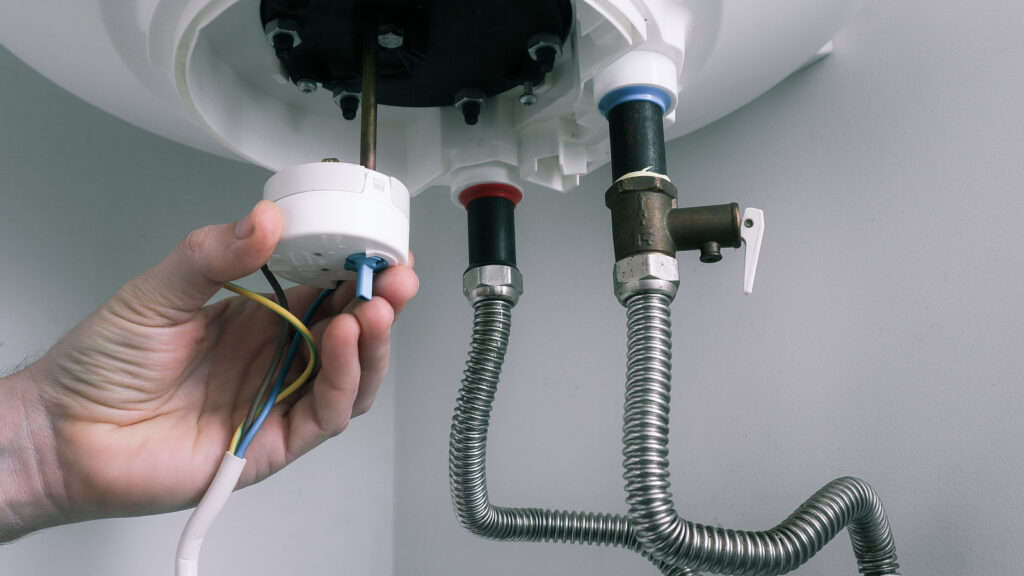
People in Lynn and the North Shore feel this issue more than most because our winters get cold fast. A water heater that sits far from the kitchen or shower takes longer to deliver hot water. A tank placed in a drafty basement loses heat at a higher rate. A tankless system installed in a cramped mechanical room may struggle with airflow. All of these conditions add to your energy usage without you realizing it.
Water heater placement shapes everything from recovery time to water temperature stability. You may choose the best model on the market, but placement has the final say in how well it performs. Once you understand why location makes such a big difference, it becomes easier to solve the comfort issues that homeowners deal with every day.
How Distance Between the Heater and Fixtures Affects Energy Loss
Long pipe runs force your water heater to work harder than it should. The farther the hot water travels, the more heat escapes before it reaches your faucet or shower. This heat loss creates two noticeable problems: a longer wait for hot water and higher energy usage.
Cold pipes absorb heat the moment hot water enters them. Every additional foot of pipe makes the water cool down a little more. That cooling forces your heater to cycle more often. Homes with large layouts or additions notice this the most. Bathrooms or laundry rooms located on the far end of the home usually take the longest to heat up.
Tankless systems feel the impact too. They heat water on demand, but if the water has to travel a long distance, the temperature changes by the time it reaches the fixture. Homeowners often think their tankless heater has a problem, but the long pipe run is what causes the delays.
Shorter pipe routes protect your water temperature. That simple change gives you faster hot water and reduces the workload on your heater throughout the year.
How Room Temperature and Drafts Reduce Water Heater Efficiency
A water heater loses energy every time the surrounding air pulls heat away from the tank or piping. Cold rooms, drafty basements, and poorly insulated walls speed up that heat loss. During winter in Lynn and the North Shore, this problem grows even stronger because cold airflow draws heat at a much faster rate.
Here’s how poor placement changes performance:
- Cold air surrounding the tank makes the water cool faster
- The heater runs more often to maintain the set temperature
- Tankless heaters lose efficiency if the air supply stays too cold
- Heat loss around pipes increases recovery time
A drafty basement is one of the most common problem areas. Many older homes have gaps along the foundation, uninsulated joists, and cold flooring. Those conditions force a water heater to work harder every hour of the day.
Placement in a warm, insulated space keeps your system stable. Less heat escapes, and the water temperature stays steady between cycles.
How Tight Spaces Restrict Airflow and Slow Water Heating
A water heater needs breathing room. Tanks and tankless units both rely on open space for safe operation and proper combustion. When installers squeeze a unit into a small closet or corner to save space, that tight placement can restrict airflow.
Poor airflow affects:
- Combustion quality
- Heat output
- Efficiency
- Burner performance
- System lifespan
For gas and tankless systems, restricted airflow forces the unit to work harder because it struggles to maintain the flame. That strain reduces efficiency and increases wear on internal components.
Crowded utility closets also trap heat around the tank. The system works harder to cool itself down, which puts extra stress on the heater and shortens its lifespan.
A well-ventilated area gives the unit the airflow it needs to heat water smoothly and safely.
How Basement Placement Affects Recovery Time and Heat Retention
Basements are the default location for many water heaters. While that placement seems convenient, it can cause hidden performance issues.
Basements in older New England homes often have:
- High humidity
- Cold air pockets
- Poor insulation
- Concrete floors that suck heat from the space
This environment affects both tank and tankless units. Tanks lose stored heat faster. Tankless heaters deal with cooler intake air that requires more energy to heat water.
Recovery time also gets longer. A tank must reheat water after each use. Cold basement air slows this process. A 40- or 50-gallon tank takes much longer to recover if the room temperature stays low.
Dry, insulated basement spaces perform better, but placement still matters. Putting the unit closer to high-use fixtures improves both comfort and energy savings.
Why Proper Placement Makes Tankless Heaters Perform Better
Tankless units save energy because they only heat water when needed, but placement affects them just as much as tank systems. Tankless heaters rely on strong airflow, stable intake temperatures, and clean venting. Poor placement disrupts all three.
Common placement problems include:
- Mounting the unit on a cold exterior wall
- Installing it in a tight closet
- Venting through long, winding routes
- Placement far from main fixtures
- Basement installation with heavy moisture
Tankless systems react quickly to temperature changes. If the room stays cold, the unit must heat the water longer before delivering it to your faucet. That delay adds to your energy use and reduces the comfort you expect from a tankless setup.
A tankless unit works best in a location with stable room temperature, open ventilation, and short piping runs. Placement alone can improve performance more than people realize.
How Insulation and Pipe Routing Improve Performance After Installation
Even if the water heater sits in a less-than-perfect spot, you can still improve efficiency with upgrades that support the system.
Pipe insulation traps heat inside the water lines and reduces temperature drop. Better insulation around the heater also protects the unit from cold air and humidity.
Some helpful improvements include:
- Insulated hot water pipes
- Enclosed or insulated utility rooms
- Vapor barriers in damp basements
- Heat traps on tank units
- Shorter pipe routes during renovations
- Relocating the heater during major updates
These adjustments reduce heat loss and shorten delivery time throughout the home. Many homeowners see a big difference even without replacing the unit.
Common Water Heater Placement Problems We Solve in Lynn and the North Shore
Many homes in our area were built long before modern plumbing standards. Their layouts create natural efficiency problems that we resolve during installations or inspections.
Homeowners often face:
- Long delays waiting for hot water
- Big temperature drop between fixtures
- Tank heaters losing heat in cold basements
- Tankless units struggling with airflow
- Hard-to-reach closets that trap heat
- Water lines exposed to drafts
- Rooms that never get consistent hot water
Correct placement fixes many of these issues. Homeowners gain better efficiency without upgrading to a larger or more expensive system.
Frequently Asked Questions
Does moving a water heater improve energy efficiency?
Yes, placement affects heat loss, recovery time, and water delivery speed. A better location helps the heater work with less strain.
Do basements reduce water heater performance?
Cold, damp basements make tanks lose heat faster and force them to cycle more often. Insulation and proper placement improve performance.
Can a tankless water heater underperform if installed in the wrong spot?
Yes, tankless systems struggle in cold or tight areas with poor airflow. Placement affects both efficiency and comfort.
Does pipe insulation help with long water delivery times?
Insulation reduces heat loss and improves temperature stability along long piping routes.
Should a water heater be close to bathrooms or kitchens?
Shorter pipe runs improve heat delivery and reduce wasted water, so placing the heater closer to high-use areas helps a lot.
Improve your home’s hot water performance. Call Waldman Plumbing and Heating at 781.780.3184 for expert water heater service in Lynn and the North Shore.