


Professional Water Filtration Services in Boston, MA
Clean, great-tasting water is not just a preference for Boston homeowners. It affects the health of your plumbing system, the performance of your appliances, and the comfort of your household. Waldman Plumbing and Heating, Inc. provides professional water filtration installation, system selection, and maintenance services throughout Boston, licensed and fully insured. We are verified by the Better Business Bureau, rated by homeowners on Google, and reviewed on Yelp. With over 100 years of service to Boston and North Shore homeowners, our team evaluates actual water chemistry before recommending any filtration system. Call 781.780.3184 to schedule a water quality consultation.
Water Quality Challenges Common in Boston Homes
Boston’s water supply is delivered by the Massachusetts Water Resources Authority (MWRA), which draws from the Quabbin and Wachusett Reservoirs in central Massachusetts. MWRA water is treated with ozone, ultraviolet light, and monochloramine as the distribution disinfectant. By most measures, MWRA-supplied water meets or exceeds federal and state drinking water standards. However, several factors affect water quality at the tap in Boston specifically:
Jeff Waldman and his crew are unbelievable


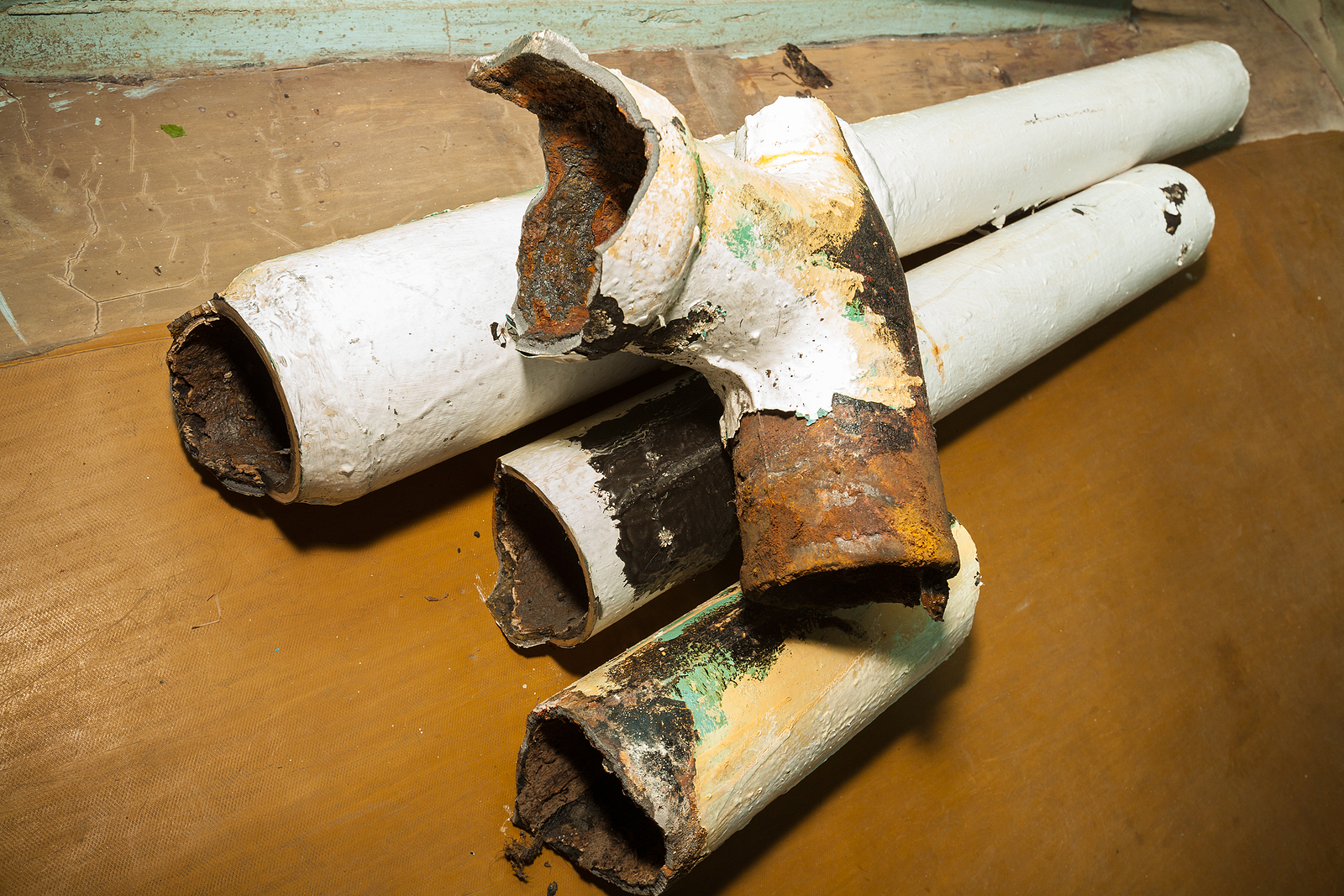
- Aging water mains and service lines in older Boston neighborhoods can add sediment and trace metals to the water between the treatment plant and your tap
- Pre-1986 Boston homes may have lead solder at copper pipe joints, which can leach into standing water, particularly from infrequently used taps
- Some older Boston neighborhoods have lead service lines connecting the street main to the home, which the city has been replacing under a lead service line replacement program
- Monochloramine used for distribution disinfection produces a chemical odor that is more noticeable during summer months when water temperature rises
- Boston’s dense construction and aging building stock create situations where internal pipe corrosion affects water quality at specific fixtures even when the incoming supply is clean
Water Filtration Services We Provide in Boston
Whole-House Water Filtration
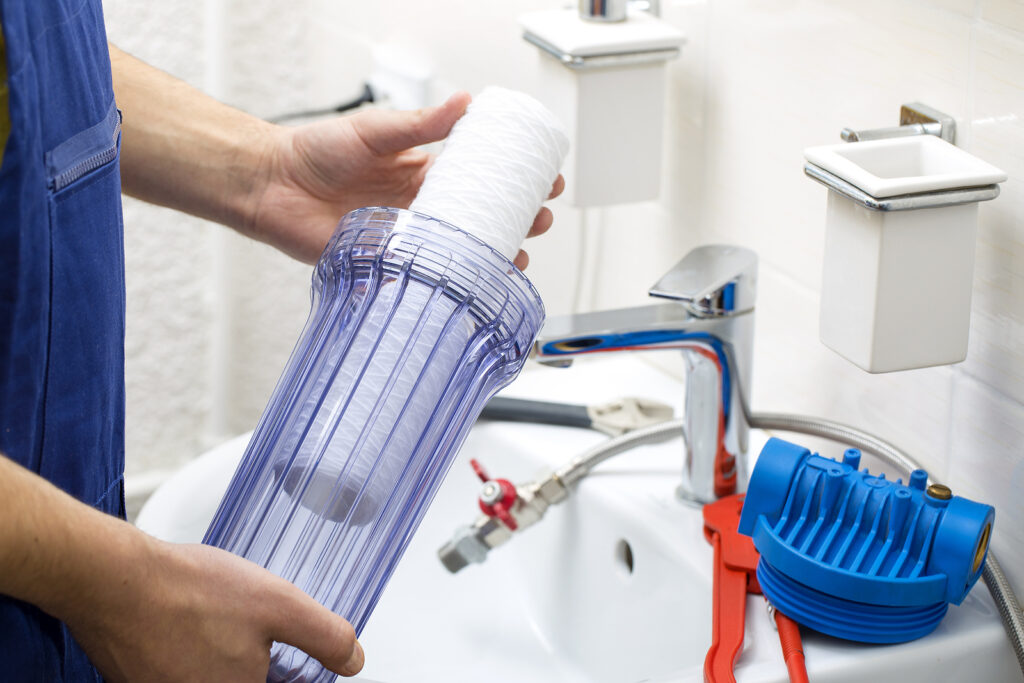
A whole-house filtration system is installed on the main water supply line where it enters your home, treating all water before it reaches any tap, appliance, or fixture. This approach delivers consistent water quality throughout the property, not just at one or two outlets. Whole-house systems improve water for drinking, cooking, bathing, and appliance use simultaneously, and they protect internal plumbing components from sediment and particulate accumulation over time. Our team sizes each system to your specific household flow rate to ensure consistent pressure throughout the home. Visit our water filtration service page for the full range of filtration technologies we install.
Under-Sink and Point-of-Use Filtration
Under-sink filtration systems deliver highly filtered water at a specific outlet, typically the kitchen sink or a dedicated drinking water tap. These systems use multi-stage carbon block or reverse osmosis media to reduce chloramine, volatile organic compounds, sediment, and in the case of reverse osmosis, dissolved minerals and certain heavy metals including lead. Point-of-use filtration is appropriate for households whose primary concern is drinking and cooking water quality, and it complements whole-house filtration for households who want additional treatment at the kitchen tap.
Lead Reduction Filtration
Boston’s older housing stock includes a meaningful number of properties with lead service lines or lead solder at pipe joints that were installed before the 1986 federal ban. The EPA’s guidance on lead in drinking water recommends that households with lead service lines or older plumbing use a certified point-of-use filter rated for lead reduction at every tap used for drinking or cooking water. NSF/ANSI Standard 53 certified filters are independently verified to reduce lead at the concentrations found in residential tap water. Our team can advise on the appropriate filter certification for your home’s specific lead risk factors.
Chloramine and Taste and Odor Reduction
MWRA water is treated with monochloramine, which produces a mild chemical odor more noticeable in summer months when water temperature rises throughout the distribution network. Activated carbon filtration effectively removes monochloramine, chlorine, geosmin (an earthy compound from summer reservoir algae), and other organic compounds that affect taste and odor. Whole-house activated carbon systems address this at every tap. Under-sink carbon block filters address it at the drinking and cooking water outlet.
Sediment Filtration
Sediment filters capture particulate matter including sand, silt, rust particles, and scale fragments that enter the water supply from aging distribution mains or from internal pipe deterioration. In Boston properties with older galvanized steel or cast iron pipes, sediment can accumulate significantly at infrequently used fixtures or after any disturbance of the main supply line. Sediment pre-filters are often installed ahead of carbon filters to extend the service life of the primary filtration media.
Water Quality Testing Before System Selection
Waldman Plumbing coordinates professional water quality testing through certified laboratories before recommending any filtration system. Testing confirms the actual contaminants present in your specific home’s water rather than relying on general MWRA quality data, which reflects average distribution system performance rather than conditions at your specific tap. Water at your tap may differ from the distribution average due to your home’s internal plumbing materials, pipe age, and building characteristics.
Our Water Filtration Process in Boston
- Water quality assessment: review of your concerns and coordination of laboratory testing if needed
- System selection: recommendation of filtration technology matched to actual water conditions and usage
- Site assessment: evaluation of your main supply line, under-sink space, and available plumbing connections
- Professional installation: licensed plumber connects the system with proper bypass valves and service connections
- Pressure and flow testing: confirmation that the system maintains balanced pressure throughout the home
- Homeowner review: explanation of system operation, filter replacement schedule, and maintenance requirements
Why Boston Homeowners Choose Waldman for Water Filtration
| What We Offer | What It Means for You |
| 100+ Years of Local Service | A 4th-generation family business with deep roots across the North Shore |
| Fully Insured | General liability and workers compensation coverage protect your home and our team |
| BBB Accredited Business | Independently verified commitment to honesty and quality workmanship |
| 24/7 Emergency Availability | We are here when your home needs us most, nights, weekends, and holidays |
| GreenSky Financing Available | Approved projects can be financed so service does not have to wait on budget |
| Ultimate Savings Club Membership | Annual members receive inspection priority, discounts, and guaranteed scheduling |
| All Major Brands Serviced | We work with what you have and install the right solution for your home |
| Testing Before Recommending | We never recommend a system without understanding what is actually in your water |
| Lead Risk Expertise | We understand Boston’s lead pipe legacy and the filtration options that address it |
Boston Permits and Plumbing Code
Water filtration system installation in Boston that involves connections to the main plumbing supply line requires a licensed plumber. The Boston Inspectional Services Department (ISD) may require a permit for whole-house filtration installations depending on the scope of the plumbing work involved. Waldman Plumbing coordinates any required permits as part of every installation project.
Frequently Asked Questions: Water Filtration in Boston, MA
What water quality issues are most common in Boston homes?
Boston homeowners most commonly report chloramine or chemical taste and odor (from MWRA treatment chemistry), sediment from aging distribution and building pipes, lead concerns from pre-1986 plumbing, discoloration from pipe corrosion in older properties, and seasonal taste changes from summer reservoir algae. The specific issues vary significantly by neighborhood, building age, and internal plumbing materials.
Is Boston’s MWRA tap water safe to drink?
MWRA-treated tap water meets or exceeds all federal and state drinking water standards when it leaves the treatment plant. However, the journey from the treatment plant to your tap through aging distribution mains and your home’s internal plumbing can add sediment, trace metals, and byproducts that affect quality at the faucet. Professional testing at your specific tap provides accurate data about what you are actually drinking.
Does Boston have hard water?
No. MWRA-supplied water is soft, with a hardness of approximately 16 milligrams per liter (1 grain per gallon). Hard water mineral buildup and scale problems are not typically associated with MWRA water. Boston properties that draw from local groundwater sources or that have older galvanized pipes may have localized hardness or iron content issues. Water softeners are generally not necessary for MWRA-supplied Boston properties unless testing reveals an issue.
What is in Boston’s tap water from the MWRA?
MWRA water is treated with ozone (for pathogen reduction at the source), ultraviolet light (for additional disinfection), and monochloramine (for distribution disinfection). The MWRA publishes annual water quality reports that document all regulated contaminants, disinfectant levels, and water quality parameters. Monochloramine (rather than free chlorine) is the distribution disinfectant for most Boston and North Shore communities served by the MWRA.
Can water filtration protect my Boston home’s plumbing and appliances?
Yes. Sediment filtration removes particulate matter that causes wear on fixture valves, appliance components, and internal pipe surfaces. Chloramine removal protects rubber seals and flexible hose components, which chloramine degrades faster than free chlorine. Reducing the chemical aggressiveness of the water also reduces the rate of pitting corrosion in copper pipes, which is a particular concern in Boston homes with aging copper plumbing.
What does activated carbon filtration remove from Boston tap water?
Activated carbon filtration removes or reduces chloramine, free chlorine, volatile organic compounds (VOCs), hydrogen sulfide (rotten egg odor), geosmin and 2-MIB (earthy summer water taste), certain pesticides and herbicides, trihalomethanes (disinfection byproducts), and general taste and odor compounds. Activated carbon does not reduce dissolved minerals, nitrates, fluoride, heavy metals, or bacteria.
Can water filtration remove lead from Boston tap water?
Reverse osmosis systems and NSF/ANSI Standard 53 certified point-of-use filters rated for lead reduction are effective at reducing lead at the tap. Whole-house activated carbon filters alone are not effective for lead reduction. For Boston properties with lead service lines or pre-1986 plumbing, a certified lead-reduction filter at each drinking and cooking water outlet is the recommended protective measure. Our team can advise on the appropriate filter certification for your specific situation.
Do I need a licensed plumber to install a water filtration system in Boston?
Yes. Whole-house filtration systems connected to your main plumbing supply line require a licensed plumber under Massachusetts plumbing code. The Massachusetts Board of State Examiners of Plumbers requires licensing for any work that involves connections to or modifications of the plumbing supply system. Point-of-use under-sink systems also benefit from professional installation to ensure proper connections and bypass valve placement.
What is the difference between a whole-house filter and an under-sink filter?
A whole-house filter treats all water entering the home at the main supply line, providing filtered water to every tap, shower, appliance, and toilet. An under-sink filter treats water at a single outlet, typically the kitchen sink or a dedicated drinking water tap. Whole-house filtration is appropriate when water quality concerns affect the entire household (bathing, cooking, appliance protection). Under-sink filtration is appropriate when the primary concern is drinking and cooking water quality.
Does water filtration affect my water pressure?
A properly sized whole-house filtration system installed by a licensed plumber maintains balanced water pressure throughout the home. Undersized filter housings, clogged filter cartridges, or improper bypass valve configuration can restrict flow. Professional system sizing matched to your household’s peak flow rate is the key to maintaining pressure. Waldman Plumbing sizes every system to your specific property before installation.
How often do water filter cartridges need to be replaced in a Boston home?
Replacement frequency depends on the filtration media type, the initial water quality, and household water usage. Activated carbon block cartridges for whole-house systems typically last 3 to 6 months under normal Boston water conditions. Sediment pre-filters may require replacement more frequently in properties with high particulate levels from aging pipes. Reverse osmosis membranes last 2 to 4 years under normal conditions. Our team provides a customized replacement schedule for every system we install.
What is monochloramine and why does MWRA use it?
Monochloramine is a disinfectant formed by combining chlorine with a small amount of ammonia. The MWRA uses monochloramine because it maintains disinfection throughout the long distribution network more effectively than free chlorine and produces fewer regulated disinfection byproducts. Its mild chemical odor is a quality-of-life concern, not a health concern, at the concentrations used in treated municipal water. Activated carbon filtration removes monochloramine effectively.
Can older Boston buildings support modern water filtration systems?
Yes. Our licensed plumbers have extensive experience adapting modern filtration systems to the varied plumbing configurations found in Boston’s older housing stock, including older pipe materials, non-standard connection sizes, and limited utility space in triple-deckers and brownstones. We assess the installation environment before recommending any system to ensure it can be installed without modifying plumbing that should not be disturbed.
Does water filtration reduce the seasonal taste and odor changes in Boston summer water?
Yes. The earthy taste (from geosmin and 2-MIB produced by summer reservoir algae) and the chemical odor (from monochloramine dosing adjustments in warm weather) are both effectively removed by activated carbon filtration. A properly sized carbon filtration system eliminates these seasonal taste and odor variations regardless of what is happening in the MWRA distribution system.
Can water filtration help with skin and hair issues from Boston tap water?
Chloramine in tap water can irritate sensitive skin and degrade hair condition over time in some individuals. A whole-house activated carbon filtration system removes chloramine from shower and bath water, which can improve these conditions for people who are sensitive to disinfectants. This is one of the meaningful practical differences between whole-house filtration and point-of-use kitchen filtration.
What brands of water filtration systems does Waldman install in Boston?
We install and service filtration systems from established residential water treatment manufacturers and size each system based on your household’s specific water quality needs and usage. We focus on filtration media quality and system performance rather than brand preference alone. Our team will explain the options appropriate for your water testing results during the consultation.
Is a pitcher filter or refrigerator filter as good as a whole-house filtration system?
Pitcher and refrigerator filters use activated carbon media that effectively removes chloramine, geosmin, and taste compounds from cold drinking water. They are not equivalent to whole-house filtration because they do not treat cooking water, bathing water, or appliance supply water. They also have higher long-term per-gallon filtration costs than installed systems and require more frequent manual maintenance.
Does water filtration in Boston require a permit from the city?
Whole-house filtration installations that require modifications to the main supply plumbing may require a plumbing permit from the Boston Inspectional Services Department. Waldman Plumbing evaluates permit requirements based on the scope of each installation and coordinates all permit applications as part of the project.
Can water filtration prevent limescale buildup on my Boston fixtures?
MWRA water is soft (approximately 1 grain per gallon), so limescale from water hardness is not typically a significant issue in Boston homes supplied by the MWRA. Any scale deposits on fixtures in MWRA-supplied properties are more likely from dissolved minerals in the pipes themselves or from silica precipitation. Properties with local groundwater or mixed supply sources may have more significant hardness. A water softener addresses hardness-related scaling; standard carbon filtration does not.
Can Waldman test my Boston home’s water before recommending a filtration system?
Yes. We coordinate professional laboratory water testing before recommending any filtration system. This ensures the system addresses the actual contaminants present in your specific home’s water rather than a generic profile. Testing is particularly important in Boston properties with pre-1986 plumbing or known lead service line concerns.
Does whole-house filtration protect my water heater and dishwasher?
Yes. Sediment filtration prevents particulate material from accumulating inside water heater tanks and on heating elements, which reduces efficiency and shortens tank life. Chloramine removal protects rubber components inside dishwashers, washing machines, and water heaters from chloramine-related degradation. Our water heater service is available alongside filtration installation for households concerned about appliance protection.
What is reverse osmosis and is it the right choice for my Boston home?
Reverse osmosis (RO) is a pressure-driven filtration process that forces water through a semi-permeable membrane, removing dissolved minerals, nitrates, heavy metals including lead, and many other contaminants. RO systems produce highly purified water at the drinking water outlet. They are appropriate when drinking water contaminant concerns go beyond taste and odor, such as lead, arsenic, or nitrates. RO systems produce a reject water stream and operate more slowly than carbon filters. Our team explains whether RO is warranted based on your water testing results.
Can water filtration reduce my reliance on bottled water in Boston?
Yes. A properly installed filtration system delivers better-tasting, cleaner water from your kitchen tap at significantly lower cost per gallon than bottled water. Many Boston households that currently use bottled water for taste reasons find that under-sink carbon or reverse osmosis filtration eliminates the need for it entirely. The EPA estimates that installed water filtration is consistently more economical than sustained bottled water use over any period longer than a few months.
Does Waldman offer water filtration service in Boston apartments and condominiums?
Yes. We install and service water filtration systems in Boston condominiums, apartments, and multi-family buildings. Installation in condominiums may require association approval for any modifications to shared plumbing systems. We can advise on the appropriate system type for your building’s specific configuration.
How do I schedule a water filtration consultation in Boston with Waldman Plumbing?
Call 781.780.3184 to speak with our team or visit our water filtration service page to request a consultation. We serve all Boston neighborhoods and surrounding communities. Our team will discuss your water quality concerns, recommend appropriate testing, and propose filtration solutions matched to your specific situation.
Better Water Starts With the Right Filtration. Call Waldman in Boston.