


Expert Water Softener Installation and Repair in Boston, MA
When the water coming from your Boston taps is leaving white scale on faucets, spotting dishes, drying out skin and hair, or shortening the life of appliances and plumbing, a professional water softener assessment from Waldman Plumbing and Heating is the most direct path to a solution. Waldman has provided water softener installation and repair throughout Greater Boston and the North Shore for over 100 years, serving homeowners and businesses from Back Bay and Beacon Hill to Dorchester, South Boston, Jamaica Plain, Charlestown, East Boston, Allston, and every neighborhood in between. Our licensed Master and Journeyman Plumbers are BBB accredited, fully insured with General Liability and Workers Compensation coverage, and carry verified reviews on Google, Yelp, and HomeAdvisor. We offer flat-rate pricing, 24/7 emergency availability for water softener failures, and financing options for qualified customers. Call 781.780.3184 to schedule water softener service in Boston today.
What Is a Water Softener and Why Boston Homes Need One
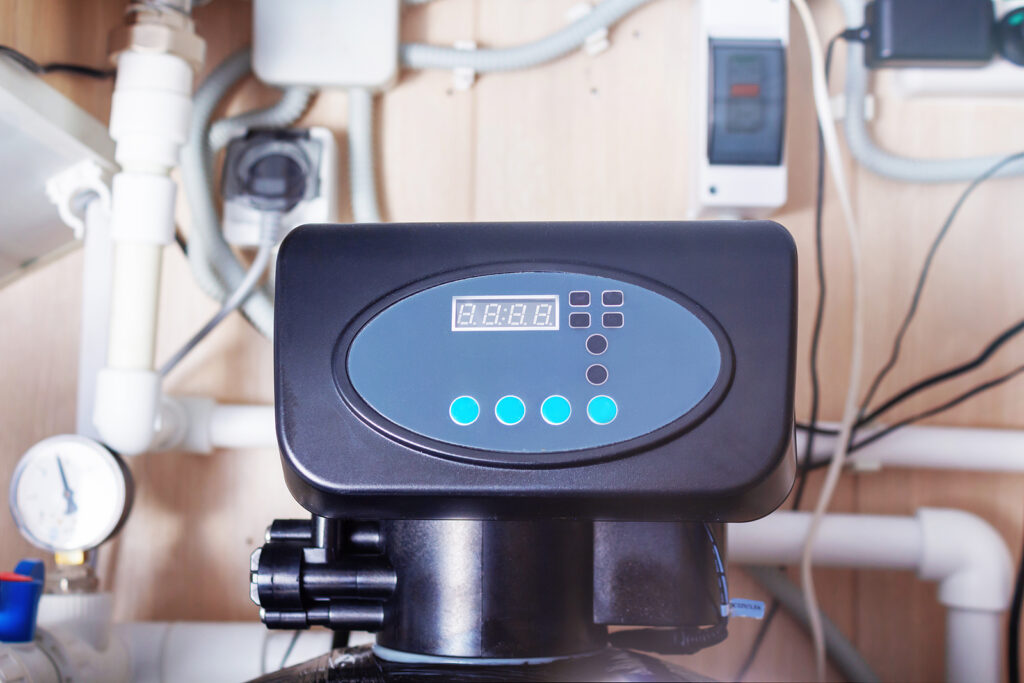
A water softener is a whole-home filtration device that removes calcium and magnesium ions, the minerals responsible for water hardness, from your supply water and replaces them with sodium or potassium ions. The process is called ion exchange, and it happens inside a mineral tank filled with resin beads that attract and hold hardness minerals before periodically flushing them out through a regeneration cycle. The result is noticeably softer water throughout every tap, shower, and appliance in the home.
Jeff Waldman and his crew are unbelievable


Boston receives its water from the Quabbin and Wachusett Reservoirs through the Massachusetts Water Resources Authority (MWRA). MWRA water runs at a measured hardness of approximately 4 to 8 grains per gallon, which is considered relatively soft by national standards. However, “relatively soft” does not mean “without consequence.” Mineral scale still accumulates gradually on aerators, showerheads, water heater tanks, appliance heating elements, and the interior walls of supply pipes over years of use. In Boston’s older housing stock, where more than a quarter of homes predate 1940 and many supply pipes have been in place for decades, this mineral accumulation compounds with existing pipe-scale buildup to accelerate fixture degradation, reduce water heater efficiency, and affect water quality in ways homeowners notice every day. According to the Water Quality Association, hard water can reduce the efficiency of water heaters by up to 29 percent in electric models and up to 22 percent in gas models when sediment accumulates on heating elements. The investment in a water softener system protects every appliance and fixture in the home from this accumulated mineral burden.
Water Softener Services We Provide in Boston, MA
Waldman Plumbing and Heating provides a complete range of water softener services for Boston homeowners and businesses, from initial installation and system selection through repair, maintenance, salt service, and full replacement. All work is performed by licensed plumbers under Massachusetts Uniform State Plumbing Code 248 CMR 10.00.
Water Softener Installation
A water softener installation begins with a water quality assessment to determine your Boston home’s actual hardness level, water flow rate, and household demand. From there, Waldman’s plumbers recommend the correct grain capacity and regeneration cycle configuration for your property. Installation includes connecting the unit to your main supply line before it branches to water-using appliances, installing the brine tank, connecting the drain line for regeneration discharge, and testing the full system before completion. We install systems from leading brands and size every installation based on actual measured conditions rather than general estimates. Installation qualifies for our $100 off whole-house water filtration coupon available on our coupons page.
Water Softener Repair
Water softener repair is where Waldman Plumbing and Heating stands apart from many competitors who focus exclusively on new installations. GSC data for the Boston market confirms that “water softener repair near me” is one of the highest-converting local plumbing searches, and the clear majority of Boston homeowners who call for water softener service already have a system that has developed a problem. Common repair issues include salt bridges in the brine tank that prevent regeneration from working correctly, resin tank fouling from iron in the water supply, control valve failures that cause the unit to run continuously or not regenerate on schedule, brine line blockages, and float assembly failures. Waldman’s plumbers diagnose the specific cause accurately before recommending repair versus replacement.
Water Softener Replacement
Water softeners have a typical service life of 10 to 20 years depending on water conditions, usage, and maintenance. When a Boston water softener is past its useful life, requires repairs that are not cost-effective relative to a new system, or is simply undersized for the household’s current water demand, replacement is the right call. Waldman evaluates existing installation infrastructure during replacement to determine whether supply and drain connections are compatible with modern system requirements, and coordinates the disposal of the old unit. Replacement is also an opportunity to upgrade to a system with a more efficient regeneration cycle that uses less salt and water per cycle, reducing ongoing operating costs. For broader water quality solutions, see our water filtration services for Boston.
Water Softener Maintenance and Salt Service
A water softener requires periodic maintenance to continue performing correctly. The brine tank needs salt replenishment, the resin bed benefits from periodic cleaning with resin cleaner to remove iron fouling, the control valve needs periodic testing, and the brine draw line and injector should be cleared of salt deposits annually. Waldman Plumbing and Heating includes water softener condition assessment as part of our Ultimate Savings Club annual plumbing inspection, giving Boston homeowners a consistent annual check of the full system with a 10 percent discount on any maintenance or repair work identified during the visit.
Combination Water Softener and Whole-Home Filtration Systems
For Boston homeowners who want both soft water and filtered water, a combination system that pairs a salt-based softener with a carbon or sediment filter addresses hardness and taste or odor concerns simultaneously. In homes with concerns about aging distribution infrastructure, combining softening with filtration provides a more complete solution to the water quality issues that Boston’s older housing stock can produce. Waldman Plumbing and Heating installs and services combination systems throughout Boston and helps homeowners select the right combination based on their specific water test results. For standalone filtration work, see our Boston water filtration service.
Water Quality Testing
Accurate water softener sizing requires knowing your water’s actual hardness level. Waldman Plumbing and Heating offers water quality testing services that assess hardness, iron content, pH, and other factors relevant to system selection. Our coupons page currently includes a $350 premium water testing service that sends a sample to a certified laboratory for comprehensive analysis. This testing is particularly valuable for Boston homeowners in older buildings where the water entering the home from the MWRA main may have picked up minerals or sediment from aging service lines and building distribution pipes before it reaches the tap. The Boston Water and Sewer Commission (BWSC) also offers free inspection of water service pipes in Boston properties, particularly for pre-1978 buildings that may have lead service lines, which is important context for homeowners considering whole-home water treatment.
Signs Your Boston Home Needs Water Softener Service
Boston homeowners commonly notice these indicators that a water softener installation or repair is needed:
- White or yellowish scale deposits on faucets, showerheads, and around sink drains that reappear quickly after cleaning
- Spotty or cloudy residue on dishes and glassware even after running through the dishwasher
- Soap that does not lather well in the shower or sink, requiring more product than expected
- Skin or hair that feels dry, rough, or dull after showering, even with quality products
- Reduced water heater efficiency or unusual sediment-related noise from the water heater tank
- Water softener regeneration cycle that runs continuously or not at all
- Hard water results after installation, suggesting the softener is not performing correctly
- Salt remaining at the same level in the brine tank across multiple weeks without decreasing (salt bridge)
- An existing water softener that is 10 or more years old and has not been serviced recently
Water Softener Repair vs. Replacement: Making the Right Call
Not every water softener problem requires full replacement, and our plumbers provide honest guidance based on system age, repair history, and the nature of the failure.
| Situation | Repair Typically Makes Sense | Replacement Often the Better Choice |
| Salt bridge in brine tank | Unit is under 10 years old, first occurrence | Repeated salt bridges, system over 15 years old |
| Control valve failure | Unit under 8 years, single valve failure | Valve failure in unit over 12 years, repeated valve issues |
| Resin tank fouling | Iron fouling resolvable with resin cleaner treatment | Resin degraded beyond treatment, unit over 15 years old |
| Brine line or injector blockage | Isolated blockage, unit under 10 years old | Repeated blockages, system aging, ongoing performance issues |
| Motor or timer failure | Unit under 8 years, single component failure | Multiple component failures, system over 12 years old |
Why Professional Water Softener Service Matters in Boston
In Massachusetts, all water softener installation work that involves connection to the home’s supply plumbing must be performed by or under the supervision of a licensed Master Plumber, as required by the Massachusetts Board of State Examiners of Plumbers and Gas Fitters under Massachusetts Uniform State Plumbing Code 248 CMR 10.00. Beyond the licensing requirement, proper installation in a Boston home requires evaluating the space constraints of older mechanical rooms and basements, selecting a location for the brine tank that keeps it accessible for salt service, and routing the drain line correctly to an appropriate discharge point. A system installed without accounting for Boston’s specific building configurations may produce incorrect regeneration results, allow salt discharge to back up into the brine tank, or create situations where the softener bypass valve is inaccessible when needed.
Professional repair and service matters equally. A water softener that appears to be running but is not actually removing hardness minerals is wasting salt and operating costs without delivering the protection the homeowner expects. Waldman’s plumbers verify system output by measuring the hardness of water at a post-softener tap before and after service, confirming the unit is performing correctly before the service visit is complete. Waldman’s Ultimate Savings Club annual inspection program includes water softener condition assessment for enrolled Boston homeowners.
Our Water Softener Service Process in Boston
- Schedule your appointment: Call 781.780.3184 or contact us online. We offer same-day service for active water softener failures and flexible scheduling for installation consultations.
- Arrival: Our licensed plumber arrives in a fully stocked service vehicle, wearing clean uniforms and shoe covers to protect your floors. We do not arrive before 8:00 AM.
- Assessment: For new installations, we test water hardness and assess your supply plumbing and available space. For service visits, we run the system through its cycle to identify exactly where the problem is occurring.
- Upfront estimate: We provide a flat-rate written estimate before any work begins. No hourly billing, no surprises.
- Installation or repair: All work is performed to Massachusetts code standards with appropriate materials and components matched to your specific system and plumbing configuration.
- Verification: We test water at a post-softener tap to confirm hardness has been removed before we complete the visit. For new systems, we confirm the regeneration cycle activates correctly.
- Cleanup and walkthrough: We walk you through the completed work, explain salt replenishment and basic maintenance, clean the work area, and confirm your satisfaction before leaving.
Why Boston Homeowners Choose Waldman Plumbing and Heating for Water Softener Service
With over a century of licensed plumbing service to the Greater Boston area, Waldman Plumbing and Heating brings the experience, local knowledge, and professional accountability that Boston water softener customers deserve. Read what customers say on Google, Yelp, and HomeAdvisor, or see our BBB accreditation record.
| What We Offer | What It Means for You |
| Licensed Master and Journeyman Plumbers | Every water softener job is performed by state-certified professionals verified by the Massachusetts Board of State Examiners of Plumbers and Gas Fitters. |
| Fully Insured: General Liability and Workers Compensation | Zero liability comes back to you during any water softener installation or service visit. |
| BBB Accredited Business | Third-party verified trust record built across more than 100 years. View our BBB accreditation profile. |
| Over 100 Years Serving Greater Boston | Four generations of the Waldman family have served Greater Boston homeowners. Read verified customer testimonials. |
| Flat-Rate, Upfront Pricing | We charge by the job, not the hour. You know your cost before we start any work. |
| 24/7 Emergency Service | Water softener failures that cause water to overflow, discharge continuously, or back up into plumbing need fast attention. We respond any time. |
| 1- to 5-Year Warranties on Labor and Parts | All water softener installations and repairs are backed by written warranties on both labor and the components we install. |
| Annual Inspections via Ultimate Savings Club See Membership Details | For $79 per year, our Ultimate Savings Club includes annual water softener assessment, a 10 percent discount on all repairs, and priority scheduling. Enroll today. |
| Financing Available via GreenSky See Financing Options | Qualified Boston customers can spread the cost of water softener installation over time. Apply for plumbing financing. |
Read verified customer reviews and check our credentials: Google Reviews | Yelp Reviews | HomeAdvisor Profile | BBB Accreditation Profile | Facebook Reviews
Water Softener Context Specific to Boston, MA
Boston’s MWRA water supply is one of the cleanest and softest large-city municipal water systems in the eastern United States, sourced from the protected Quabbin and Wachusett Reservoirs. At 4 to 8 grains per gallon measured hardness, it is far softer than cities drawing from aquifer sources in the Southwest or Midwest where hardness levels routinely exceed 25 to 30 GPG. However, for Boston homeowners in older buildings, the water quality that enters through the MWRA service line is only part of the picture. Aging galvanized steel distribution pipes, mineral deposits in hot water heaters that have not been flushed in years, and the accumulated mineral residue in plumbing fixtures across decades of use all affect how water performs at the tap regardless of what the municipal source hardness reads.
The Boston Water and Sewer Commission (BWSC) administers an active lead service line replacement program for Boston properties built before 1978, recognizing that older service lines can affect water quality independently of the source water quality. For Boston homeowners with any uncertainty about their service line material or the overall quality of water reaching their taps, a water quality test followed by a professional assessment of the right treatment solution is a worthwhile investment. Waldman Plumbing and Heating helps Boston homeowners understand what their water actually contains and recommends the right softening or filtration approach based on those specific results rather than a generic recommendation. For related water quality services, see our Boston water filtration service and our full water softeners service.
Frequently Asked Questions About Water Softeners in Boston, MA
Does Boston have hard water that requires a water softener?
Boston’s MWRA water supply runs at approximately 4 to 8 grains per gallon hardness, which is considered moderately soft by national standards. While this is softer than many U.S. cities, mineral scale still accumulates gradually on fixtures, appliance heating elements, and water heater tanks over years of use. Boston homeowners in older buildings with aging supply pipes may experience additional water quality concerns independent of the source water hardness. A water quality test accurately identifies what is actually in your water before deciding on treatment.
What does a water softener do and how does it work?
A water softener removes calcium and magnesium minerals from your water supply through a process called ion exchange. Water passes through a tank filled with resin beads that attract and hold the hardness minerals, releasing sodium or potassium ions in their place. Periodically, the system runs a regeneration cycle that flushes the captured minerals out through a brine solution, recharging the resin beads to continue softening. The result is water that does not leave mineral deposits on fixtures, lathers more easily with soap, and is gentler on appliances and plumbing.
How do I know if I need a water softener in my Boston home?
Signs that a water softener would benefit your Boston home include white or yellowish scale deposits around faucets and showerheads, spotty dishes and cloudy glassware after washing, soap that does not lather effectively, skin or hair that feels dry after showering, reduced water heater efficiency, or scale buildup visible around sink and tub drains. A water quality test from Waldman Plumbing and Heating provides an accurate hardness reading before deciding on installation.
What is a salt bridge in a water softener and how is it fixed?
A salt bridge is a hard crust that forms across the brine tank, creating a gap between the salt and the water below. This prevents the salt from dissolving into the brine solution, which means the resin bed cannot regenerate correctly and hardness minerals pass through the system untreated. Salt bridges are often caused by high humidity, low water usage, or the type of salt being used. Waldman Plumbing and Heating diagnoses and clears salt bridges during water softener repair visits and can recommend the correct salt type and brine tank management practices to prevent recurrence.
How long does a water softener last in a Greater Boston home?
Most residential water softeners have a service life of 10 to 20 years with proper maintenance. The lifespan depends on water conditions, usage volume, the type of salt used, and whether the system receives periodic service. Boston’s relatively low source water hardness means the resin bed in a correctly sized system experiences less strain than systems in harder water markets, which can support a longer useful life. Systems that are regularly maintained through annual inspection typically reach the upper end of this range.
Can I install a water softener myself in Boston?
While basic water softener units are available at home improvement stores, installation in Massachusetts must include a proper plumbing connection to your supply line that complies with Massachusetts Uniform State Plumbing Code 248 CMR 10.00. This work must be performed by or under the supervision of a licensed Master Plumber. Improper installation can result in cross-connections, drain line issues, or system configurations that do not perform correctly. Waldman Plumbing and Heating handles the full installation with proper permitting where required.
What size water softener does my Boston home need?
Water softener sizing is based on two primary factors: the measured hardness of your water and the number of people in the household. A softener’s capacity is measured in grains of hardness it can remove between regeneration cycles. For a Boston home with measured hardness of 5 to 8 GPG and two to four occupants, a 32,000 to 48,000 grain capacity unit is typically appropriate. Waldman’s plumbers measure actual water hardness and assess household usage before recommending a specific system, ensuring the unit is not oversized (which wastes salt) or undersized (which leads to frequent regeneration and poor performance).
What type of salt should I use in my Boston water softener?
The three most common salt types for residential water softeners are evaporated pellet salt, solar salt, and rock salt. Evaporated pellet salt is the purest form and creates the least brine tank residue, making it the preferred choice for most residential applications in Boston. Solar salt is a good middle option. Rock salt has the most impurities and can leave residue in the brine tank over time. Potassium chloride is an alternative for households that want to reduce sodium in softened water. Waldman Plumbing and Heating advises on the right salt type during installation and service visits.
How much salt does a water softener use per month?
A typical residential water softener serving a household of two to four people uses approximately 6 to 10 pounds of salt per regeneration cycle. If the system regenerates every few days, monthly salt consumption is typically in the range of 40 to 80 pounds. Higher water hardness levels, larger households, and more frequent regeneration increase salt use. Boston’s relatively moderate water hardness means that correctly sized systems in the city typically use salt at the lower end of this range.
What is the difference between a water softener and a water filter?
A water softener specifically removes hardness minerals (calcium and magnesium) through ion exchange. It does not filter out sediment, chlorine, organic compounds, or other contaminants. A water filter removes various contaminants depending on its type, but standard filtration does not soften water by removing hardness minerals. Many Boston homeowners benefit from a combination system that includes both softening and filtration to address hardness, taste, and any other water quality concerns specific to their property.
Does a water softener affect the water I drink?
A whole-home water softener treats all water entering the home, including drinking water. Softened water contains a small amount of sodium added during the ion exchange process. For most people, this sodium addition is negligible relative to daily dietary intake. Homeowners with specific sodium concerns or those on sodium-restricted diets have the option of using potassium chloride instead of sodium chloride as the regenerant, or installing a reverse osmosis system at the kitchen sink that removes sodium from drinking water while the whole-home softener continues treating water for fixtures and appliances.
How often does a water softener need to regenerate?
Regeneration frequency depends on water hardness, household water usage, and the capacity of the system. Most residential softeners regenerate every two to seven days. Systems with demand-initiated regeneration (DIR) controls, which are the most efficient type, regenerate based on actual water usage rather than a fixed schedule. This reduces salt and water waste by only regenerating when the resin bed actually needs it. Waldman Plumbing and Heating configures regeneration settings during installation based on your household’s usage patterns.
What happens if my water softener stops working?
If a water softener stops working, unsoftened hard water begins flowing through the home again. You may notice the return of scale deposits on fixtures, reduced soap lathering, and changes in the feel of the water. The system itself may show signs of the failure, such as running continuously, not initiating regeneration, having water in the salt tank that is not drawing down, or producing an audible alarm if the unit has one. Call Waldman Plumbing and Heating at 781.780.3184 for same-day water softener diagnosis and repair in Boston.
Does Waldman service all brands of water softeners in Boston?
Yes. Waldman Plumbing and Heating services and repairs all major water softener brands including Kinetico, Culligan, EcoWater, GE, Whirlpool, Kenmore, Pentair, and others. Our service vehicles carry commonly needed replacement parts for most major residential water softener models. For less common brands, we source parts through our supplier network.
Is a permit required for water softener installation in Boston?
Water softener installations that involve connections to the home’s supply plumbing, which all whole-home installations do, may require a plumbing permit through Boston’s Inspectional Services Department depending on the scope of the connection work. Waldman Plumbing and Heating evaluates permit requirements for each installation and handles the application process when a permit is required. All water softener work is performed to Massachusetts Uniform State Plumbing Code 248 CMR 10.00 standards.
Can a water softener help protect my plumbing pipes in an older Boston home?
Yes. Mineral scale deposits in supply pipes narrow the effective diameter over time, reducing flow rate and water pressure. In Boston’s older housing stock, where many homes have original or early-replacement copper and galvanized supply lines that have accumulated decades of mineral deposits, softened water slows the rate of new scale formation and reduces the mineral burden on aging pipe walls. A water softener is not a substitute for repiping in homes with severely corroded pipes, but it is a meaningful protective measure for homes with moderately aging supply systems.
How do I find out if my Boston home has hard water?
The simplest indicator tests include checking for scale deposits around faucet aerators, examining showerhead flow restriction from mineral buildup, and observing whether dishes and glassware show spotting after washing. For an accurate measurement, a water hardness test kit provides a grains-per-gallon reading. For the most comprehensive picture, Waldman’s professional water quality testing service sends a sample to a certified laboratory for full analysis. Call 781.780.3184 to schedule water quality testing in your Boston home.
What is a water softener bypass valve and why does it matter?
A bypass valve is a feature on most water softeners that allows you to redirect water supply around the softener without shutting off the whole-home supply. It is used during servicing, when softened water is not needed (such as for outdoor irrigation), or in situations where the softener needs to be taken offline for repair. Waldman Plumbing and Heating ensures every water softener installation includes an accessible and functional bypass valve, and checks bypass valve operation during service visits as part of our comprehensive system assessment.
How does a water softener affect my laundry in Boston?
Softened water requires less detergent to produce effective cleaning because it allows soap to lather fully rather than reacting with hardness minerals to form soap scum. Many Boston homeowners with water softeners find they can reduce detergent quantity by 25 to 50 percent while achieving cleaner results. Fabrics also feel softer after washing in softened water, and towels and linens maintain their texture longer than in hard water households. Bright colors in clothing also tend to fade more slowly when washed in softened water.
Does Waldman’s Ultimate Savings Club cover water softener maintenance?
Yes. Waldman’s Ultimate Savings Club membership at $79 per year includes an annual plumbing inspection that covers water softener condition assessment, checking the brine tank, control valve function, regeneration cycle performance, and system output. Members also receive a 10 percent discount on any water softener repairs or maintenance services identified during the inspection visit, zero destination fees on service calls, and guaranteed front-of-line scheduling. Enroll at waldmanplumbing.com or call 781.780.3184.
What is an iron filter and do I need one with my water softener in Boston?
Iron filters remove dissolved or particulate iron from water before it reaches the softener. In Boston, MWRA source water typically has very low iron content. However, homes with aging galvanized iron distribution pipes or older service lines may have elevated iron at the tap due to pipe corrosion rather than the source water. If your water has a metallic taste, reddish discoloration, or leaves orange or brown stains in sinks and tubs, an iron filter ahead of the water softener protects the resin bed from fouling and extends system life. Waldman evaluates iron levels during water quality testing.
Can I get a combination water softener and whole-home filter system in Boston?
Yes. Waldman Plumbing and Heating installs combination systems that pair ion-exchange water softening with whole-home carbon or sediment filtration. These systems address both hardness and taste, odor, or chlorine concerns in a single installation. Combination systems are particularly useful in older Boston homes where the municipal water quality is good but the aging internal plumbing infrastructure creates additional water quality concerns that softening alone does not fully address.
What neighborhoods in Boston does Waldman serve for water softener service?
Waldman Plumbing and Heating serves water softener customers throughout all Boston neighborhoods, including Back Bay, Beacon Hill, South End, Dorchester, Jamaica Plain, South Boston, Charlestown, East Boston, Allston, Brighton, West Roxbury, Roslindale, Hyde Park, Fenway, Roxbury, and downtown Boston. We also serve the greater North Shore communities surrounding Boston. Call 781.780.3184 to confirm service coverage for your specific address.
How do I schedule water softener service in Boston with Waldman?
Call Waldman Plumbing and Heating at 781.780.3184 to schedule water softener installation, repair, or maintenance service in Boston. We offer same-day scheduling for most repair situations and flexible appointment windows for new installations. You can also use our online contact form at waldmanplumbing.com. Our licensed plumbers typically arrive within the scheduled window, notify you in advance, and complete most water softener service visits in two to three hours.
Does Waldman offer financing for water softener installation in Boston?
Yes. Qualified Boston customers can access financing through GreenSky for water softener installation, making it easier to invest in whole-home water quality improvement without delaying the project. Financing is also available for combination water softener and filtration system installations. Call 781.780.3184 or visit our financing page to apply and discuss current plan options before your installation appointment.
Schedule Water Softener Service in Boston Today